分类: bharat

  • India to build 100 new airports in decade as domestic air travel demand soars

    The number of operating airports in India is expected to double in the next decade as the government races to meet the growing demand of the country’s aviation market.

    Civil Aviation Minister Suresh Prabhu said on Tuesday that as many as 100 new airports would be built in the next 10 to 15 years for about $60 billion. The airports will be constructed through public-private partnership, he explained.

    According to the ministry, about 70 of the new airports will be constructed in areas that have no such infrastructure. The remainder will become secondary airports that are intended to deal with a sudden growth in demand for air travel that threatens to overwhelm the present infrastructure. At the moment, the country, which is the world’s fastest growing aviation market, has 100 airports.

    Data from the International Air Transport Association (IATA) showed that India’s domestic air demand was highest amongst major aviation markets like Australia, Brazil, China, Japan, Russia, and the US. The country’s domestic passenger traffic grew by almost 18 percent in January.

    In 2017, domestic passenger traffic recorded its 42nd straight month of double-digit growth.

    IATA has predicted that by 2025, India will surpass the UK to become the third largest market for aviation in the world, behind China and the US.

  • 印度德里雾霾指数爆表

    印度德里目前空气污染到底有多严重,最近的测量数据显示,德里某一区域的PM2.5指数一度达到了900多。什么原因导致了德里如此严重的污染呢?

  • 有廁所沒人上?印度「露天便溺」的排泄衛生大改革

    莫迪引以為傲地宣揚「清潔印度運動」(SBA),為印度6億人民了提供廁所,但仍有民間智庫指出露天便溺仍然普遍。

    10月初,印度舉國歡慶聖雄甘地150歲冥誕,總理莫迪獻上名為「清潔印度」(Swachh Bharat)的祝福,宣布過去隨處可見的露天便溺已成為歷史。說到這項讓他引以為傲的政策政績,莫迪特別強調:政府在60個月內,為6億人民提供廁所,現在全國村莊都有廁所可用。

    莫迪的高調,引來不少質疑,有民間智庫以實地調查作證,指出露天便溺仍然普遍,這也遭到莫迪政府反擊,舉出許多數據反駁。但現實而言,莫迪在短短執政5年內,就達成「零排放」的可能性確實不高,因為衛生問題不只是滿足供給面的廁所數量即可解決,還有需求面的人民衛生觀念與習慣尚待改變。

    許多印度人民可能難以理解,千百年來的排泄習慣為何會引起世界關注?進一步來說,莫迪推行的「清潔印度運動」(SBA)所涉及的層面,早已超過建造廁所數量的政策爭論,更涉及了印度的國內人權與國際地位,而這些議題正在影響印度的全球形象。

    現實而言,莫迪在短短執政5年內,就達成「零排放」的可能性確實不高,因為衛生問題不只是滿足供給面的廁所數量即可解決,還有需求面的人民衛生觀念與習慣尚待改變。

    先就國際層面觀之。2015年世界各國領導人齊聚聯合國,通過「2030永續發展議程」(2030 Agenda for Sustainable Development),制定包含氣候行動在內的17項目標,其中一項即是「確保人類獲得潔淨的飲水和衛生設施」。

    據統計,全球有24億人沒有廁所可用,將近9億人露天便溺,聯合國將此列為重要改善項目。在這露天便溺的9億人中,有三分之二居住在南亞地區的農村,當中最多者則是人口居冠的印度。

    經過各國長年努力,南亞露天便溺的比例,已從1990年的65%下降到2018年的34%。巴基斯坦、孟加拉等都有顯著改善,阿富汗、尼泊爾也見下降趨勢,印度當然不能忍受仍落後於這些小兄弟。

    但露天便溺有什麼隱憂嗎?首先,這會帶來嚴重的環境問題,像是汙染水源、傳染病菌和寄生蟲,缺乏洗手設施亦容易讓人生病。聯合國估算,每年南亞地區約有18萬名兒童因腹瀉喪生,很大程度是由於露天便溺所引起的髒亂;印度有近一半的5歲以下兒童發育遲緩,部份原因是受不潔的飲用水與其所灌溉的糧食所害。

    露天便溺帶來嚴重的環境問題,像是汙染水源、傳染病菌和寄生蟲,缺乏洗手設施亦容易讓人生病。印度有近一半的5歲以下兒童發育遲緩,部份原因是受不潔的飲用水與其所灌溉的糧食所害。

    除了疾病,在野外——特別是在農村——既缺乏衛生設施、也缺乏維護人身安全的硬體建築與設施,嚴重威脅了弱勢族群的安全。像是2014年5月就發生憾事,兩名家中無廁所的少女,因出外如廁,受到性侵害並被謀殺,引起公憤。

    聯合國的永續發展目標,格外關注婦女和孩童等弱勢族群的需求。無論是婦女性侵害率或兒童致死率過高,都重挫印度的國際形象,當國家正值經濟高速成長、太空任務不斷拓展的此際,莫迪希望透過內部改革,使世人更尊重印度的大國地位。為此,SBA遂也成為印度只許成功、不許失敗的國家公關工具。

    然而,印度歷屆政府或多或少都對衛生議題有所著墨,為何莫迪的SBA(無論數據是否接近宣稱的100%)能取得有別前任的成就呢?關鍵在於——SBA不只是大量建造廁所,還設法改變印度人民固守的傳統衛生觀,逐漸步向所謂西式的現代標準。

    野外既缺乏衛生設施、也缺乏維護人身安全的硬體建築與設施,嚴重威脅了弱勢族群的安全。像是2014年5月就發生憾事,兩名家中無廁所的少女,因出外如廁,受到性侵害並被謀殺,引起公憤。圖為印度一名少女露天便溺的示意圖,非2014年事件當事人。

    這裡所謂的方法,即是「社區領導全面衛生計劃」(CLTS)。CLTS的概念最初是由一位印度自然資源專家提出,在千禧年之際引進孟加拉,獲得明顯成果。其具體作法其實就是深入社區,向居民進行衛生教育,尤其著重宣導「不潔的行為,會引起羞恥和厭惡感」,以改善居民的習慣。

    換言之,CLTS強調誘發社區追求衛生的意識,讓居民動員起來,相互支持並找出適合當地的解決方案。倡導者認為,重點不在於政府補貼家戶興建廁所,而是讓居民「願意」使用廁所。等到大多數人接受這種觀念,就會形成集體的社區規範,若不遵守規範,則會被社區排斥。

    CLTS並非由莫迪首度引進印度,更早之前的「全面清潔運動」(TSC)、「潔淨印度任務」(NBA),都可見此法,但多告失敗。原因有很多,像是缺乏熟練的CLTS輔導員,輔導員深入社區第一線,若無專業技巧引導,很容易被抵制;又像是地方官員不願配合,因為CLTS不注重補貼,讓官員無油水可撈等。

    「不潔的行為,會引起羞恥和厭惡感」,印度政府試圖藉由這種觀念的社區宣導,改善居民的習慣。等到大多數人接受這種觀念,就會形成集體的社區規範,若不遵守規範,則會被社區排斥。

    莫迪上台後,為避免重蹈覆轍,重新設計強化CLTS。例如舉辦「快速行動學習」(RAL)訓練班,培養熟稔CLTS技巧的SBA特派團「Gramin」,密切監督SBA的執行。同時,莫迪政府也與「聯合國供水和衛生合作理事會」(WSSCC)等國際單位合作,透過各地不同的實踐與分享,一起制定更完善的衛生計畫。

    然而,莫迪政府雷厲風行推動SBA,也引起爭議。比方部分地方是靠脅迫社區居民以達成上級目標,像是恰蒂斯加爾邦(Chattisgarh)就有農村人家因拒絕修建廁所,而被排拒於政府的公共分配系統(PDS)外,未能得到補貼的糧食和煤油。

    其他各邦為求貫徹SBA,也有不同作法。如中央邦(Madhya Pradesh)立法規定,有志參選村委會大位者,家中必須要有沖水馬桶、哈里亞納邦(Haryana)決定使用無人機,監視村莊是否有露天便溺,違者將受到嚴懲。

    至於莫迪改良版的CLTS,儘管作法已較以往收歛——如過去官員會當場公審或私刑處罰不安裝廁所的村民,現在則多以公布露天便溺者姓名,使其感到羞辱繼而改變行為——但這些作法也被批評罔顧人權;聯合國特別報告員更建議要持續對此監督和問責,莫迪政府亦承認有地方官員濫用職權,下令改進以杜悠悠之口。

    莫迪政府雷厲風行推動SBA,也引起爭議。比方恰蒂斯加爾邦(Chattisgarh)就有農村人家因拒絕修建廁所,而被排拒於政府的公共分配系統(PDS)外,未能得到補貼的糧食和煤油。

    即便飽受外界質疑,莫迪政府仍堅持SBA已取得無可磨滅的成效,且隨著甘地冥誕結束,SBA即將進入2.0版。

    這是指印度雖然已實現人人有坑蹲,但是處理排泄物仍有許多麻煩亟待解決,如為求興建速度,許多地方建造的是容易滿載、需要常清理排泄物的單坑、而非政府建議的雙坑廁所。

    由於印度人民不願觸碰不潔的排泄物,長久以來,清理一直是種姓制度下,屬於賤民階級的達利人(Dalits)的世襲工作。印度獨立後雖立法廢除種姓制度,但社會對於達利人的歧視仍在,絕大多數的清潔工作還是由達利人擔當。如今增加了上億間廁所,對於手工清道夫(manual scavengers)的需求也更旺盛。

    從媒體報導可知,手工清道夫深入汙水下水道或化糞池掃集異物,以防止管線堵塞。這些人表面上脫離賤民階級,但仍是被社會剝削的弱勢族群,他們通常由政府或私人公司以臨時工形式聘用,沒有足夠的防護裝備就進入下水道或化糞池作業,因此屢見吸入甲烷等有毒氣體致死的憾事,也未獲該有的賠償。

    印度人民不願觸碰不潔的排泄物,清理一直是種姓制度下,屬於賤民階級的達利人(Dalits)的世襲工作。他們通常由政府或私人公司以臨時工形式聘用,沒有足夠的防護裝備就進入下水道或化糞池作業,因此屢見吸入甲烷等有毒氣體致死的憾事,也未獲該有的賠償。

    莫迪政府也了解到這是印度之恥,嘗試糾正人民的歧視。今年大壺節期間,莫迪特別接見清潔工,盛讚他們是所謂的「行動瑜珈士」(Karma Yogis,意指對全世界有益的人,無私地愛著全世界及所有人),還親自為工人洗腳。這雖被批評為選舉作秀,但亦反映出莫迪希望強調清潔工的價值,挑戰老舊的思維模式。

    進入SBA 2.0後,莫迪政府將面臨更多困難,有不少的私人企業與非政府組織參與過程,透過民間力量一起改變印度。像是為促進達利特人權益而發起的「泰倫加納邦模式」(Telangana model)——這是由該邦民間發起,讓達利特清潔工能夠透過貸款,購買下水道清潔機,並讓他們操作,得以不再手工清理糞便。

    最後,除了改善清潔工的作業風險外,清理家庭汙水更是一大挑戰。據報導,印度有8成以上的汙水傾倒於湖泊河流,造成水源毒害,也使傳染病盛行。目前印度的汙水處理廠不足以應付全國龐大的汙水量,露天便溺固然會影響環境與人體健康,但未經妥善處理的廁所排泄物,更嚴重威脅生態系統,也是莫迪政府必須列為優先施政的方向。

    今年大壺節期間,莫迪特別接見清潔工,還親自為工人洗腳。雖被批評為選舉作秀,但亦反映出莫迪希望強調清潔工的價值,挑戰老舊的思維模式。

  • 印度瑜伽起源背景与流派

    印度总理莫迪也是瑜伽爱好者

    瑜伽从数千年前起源于古印度,已经得到了不断的发展、延伸和演变,继而形成了许多流派和种类。

    伦敦大学亚非学院(the University of London’s School of Oriental and African Studies ,SOAS)的瑜伽历史研究员、高级讲师马林森博士(Dr. Jim Mallinson)表示,瑜伽在印度最早是宗教禁欲主义者修炼的一种方式。

    虽然现在印度仍有宗教人士利用瑜伽打坐和修炼,但随着瑜伽的演变,特别是过去100年左右伴随着全球化的发展,瑜伽也经历了重大的改变。

    伦敦大学亚非学院瑜伽现代史的高级研究员辛格尔顿(Dr Mark Singleton)表示,今天的瑜伽已经融合了欧洲的体操和健身等多种形式,成为了一种混合体。

    印度孟买罗纳瓦拉瑜伽研究院的院长加尔特(Dr. Manmath Gharte,director of the Lonavla Yoga Institute in Mumbai)告诉BBC,瑜伽的主要目的是要达到身心合一,即人的身体、头脑、情感、社会和精神和谐地成为一体。

    他表示,首先,瑜伽的各种体位会改善人体脊柱、关节和肌肉的柔韧性。

    机体柔韧性改善后最终会让精神受益。如果精神稳定了,就会彻底消除苦难,从而让你达到内心的祥和。

    印度98岁的瑜伽教练普创—林奇女士

    印度总理莫迪也是瑜伽爱好者。在莫迪的推动下,联合国从2015年起还设立了国际瑜伽日(International Yoga Day)。

    与此同时,印度人也是在20世纪才与世界上其他地区一道开始大规模参与瑜伽运动的。

    而来自加尔各答的僧侣斯瓦米·维韦卡南达(也称辨喜,Swami Vivekenanda)则被视为将印度瑜伽带到西方的第一人。

    维韦卡南达于1896年在曼哈顿编写的著作《胜王瑜伽》(Raja Yoga),对西方人理解什么是瑜伽产生了重大影响。

    而今天流行的瑜伽种类有几十种,例如:艾扬格瑜伽(yengar yoga )、阿斯汤伽瑜伽(Ashtanga yoga)热瑜伽(hot yoga)、流瑜伽(Vinyasa Flow)、哈他瑜伽(Hatha yoga)、反重力瑜伽(aerial yoga,也称空中瑜伽)、阴瑜伽(yin yoga)以及最近几年流行的啤酒瑜伽)(beer yoga)、裸瑜伽(naked yoga)等等数不胜数。

    此外,瑜伽中一个非常有名的体位,下犬式(Downward Dog),最早在18世纪的文献中就有过记载。研究人员认为,印度摔跤运动员曾用它作为摔跤练习。

  • 瑜伽如何征服世界 你该了解它的好处与风险

    说起瑜伽,许多人都不陌生。它是起源于印度的一种古老的修炼方法。

    自从1960年代瑜伽在西方以及全世界流行以来,它已经成为很多人修身养性、锻炼健身的一项最受欢迎的运动方式。

    由于瑜伽讲究身心合一,又能强身保健,人们对瑜伽的热情有增无减。 同时,它也意味着对瑜伽老师的高需求。

    然而, 英国专业健康人士最近发出警告称,越来越多的瑜伽教练出现严重的髋关节问题。

    贝诺·马修斯(Benoy Matthews)是一名理疗师。他说,越来越多的瑜伽老师出现严重的髋关节问题,其中许多人需要接受手术治疗。

    马修斯表示, 最近,他一个月就会接待大约5名出现各种各样关节问题的瑜伽教练,其中有些人问题已经非常严重, 不得不接受手术治疗,甚至做全髋关节置换术(total hip replacement)。

    而且, 这些人都很年轻, 只有40岁左右。

    风险警告

    既然瑜伽有种种益处,为什么还会让越来越多的专业瑜伽教练“伤筋动骨”呢?

    对此, 马修斯表示,这可能与人们把疼痛与僵硬相混淆有关。比如, 瑜伽教练在自己练习或授课时出现疼痛,会错以为这是因为僵硬造成的,因此,不会停下来,而是继续下去。

    马修斯说, 毫无疑问,练瑜伽有许多好处。但像任何运动一样,过分或应用不当都会有风险。

    每个人的柔韧程度不同,别人能做到的一些动作,不等于你就能做到。最重要的是,知道你自己的极限,要适可而止。

    瑜伽教练练伤的另外一个原因还可能跟瑜伽是他们唯一的运动方式有关。因为,有些瑜伽教练觉得,他们天天做瑜伽就足够了,没有把它跟其他的有氧运动结合起来。

    不仅如此,有些瑜伽教练,特别是新老师,每天上五节瑜伽课, 周末都不休。结果很容易给自己的身体造成伤害。

    今年45岁的纳塔莉5年前就是这样撕裂了臀部的软骨。

    与此同时,专家说,长期保持一个瑜伽姿势也会造成一些问题。

    但这不表明瑜伽充满了风险。它的好处是世界公认的,不然也不会风靡全世界。

    瑜伽益处

    习练瑜伽有种种益处,它们包括加速身体的新陈代谢、去除体内废物、帮助形体修复。

    瑜伽能增强身体力量和肌体弹性,让身体四肢均衡发展。

    瑜伽还能预防和治疗各种与身心相关的疾病:背痛、肩痛、颈痛、头痛、关节痛、失眠、消化系统紊乱、痛经、脱发等。

    瑜伽能调节全身系统、改善血液循环、促进内分泌平衡、减压养心、释放身心, 达到修心养性的目的。

    瑜伽的其它好处还包括能提高免疫力、集中注意力、增加活力以及改善视力与听力等等。

    但关键是,一定要在专家的指导下,正确的练习,并且适可而止。

    英国皇家理疗协会(the Chartered Society of Physiotherapy)专业顾问怀特(Pip White)表示,瑜伽对人们的身心健康有很多益处。

    如果你深知自己的能力和极限,并在安全范围以内练习,你将获得习练瑜伽的巨大好处。

  • 雾霾中的大象

    新德里市首席部长凯杰里瓦尔也承认,印度北部的空气污染已达到了无法忍受的程度,首都简直变成了毒气室。

    雾霾中的大象

    据印度媒体报道,2019年11月初,印度首都新德里及附近地区的空气污染程度达到3年以来最糟的状态,迫使新德里市政府已宣布进入公共健康紧急状态。

    11月3日,新德里及周边多个地区的PM2.5、PM10空气质量指数双双“爆表”:显示999的最大值。印度卫生部一位官员表示,该市的污染监测器没有足够的数字来准确记录污染水平,这是一场灾难。

    当天,严重的雾霾迫使至少30多个起降新德里国际机场的航班因能见度低,被迫转降。新德里当局建议人们尽量避免外出,要求学校停课至11月5日,建筑及其他污染行业立即停工,4日起车辆实施单双号限行。

    英国广播公司BBC的报道指出,3日当天新德里的空气污染程度大概是北京的7倍。

    印度德里警察出门也带着口罩自我保护。

    呼吸困难

    眼睛淌眼泪,喉咙像沙纸,让我喘不过气来的一阵咳嗽——这些就是我在德里城市里散步一圈后的副作用。

    每当“污染季节”开始来临之际,我都会很快注意到我身体发生的变化。

    我记不清在冬天的夜里因严重咳嗽醒来有多少回了。

    从你的鼻子到你的胸部,你感觉好像各方面都不正常。在有些日子里,这只不过是感觉鼻子阻塞;而在另一些日子里,你要正常呼吸几乎都是一个的挣扎。

    这种影响已经超越了身体情况。我不断要想着空气质量指数数字,以及这空气能否呼吸。我甚至要在离开办公室下班回家时,就通过手机应用程序激活我家里房间的空气净化器,这样当我回到家里,我的房间里能有干净的空气。

  • 在印度,当空气变成毒药

    2019年11月5日
    周日,新德里,印度教节日日神节的集会笼罩在一片雾霾中。

    新德里——上周末至本周一,印度首都新德里的空气污染攀升至极度有害的程度,街道被笼罩在浑浊的雾霾之下,航班延误,政客们就谁是罪魁祸首展开争论。

    周六,一名农民在旁遮普邦燃烧麦茬。

    每年冬天,印度北部的农民都会燃烧农作物,为新的庄稼腾出空间。烟雾飘向新德里及其郊区,与建筑灰尘、汽车排放物,以及在排灯节(Diwali)期间燃放的烟火产生的烟尘混合在一起。有毒的尘雾可能会持续数周,引发居民咳嗽、头疼,甚至引发高速公路的连环相撞事故。

    今年,污染情况变得尤其严重,以至于印度政府于周五宣布公共卫生紧急状态,所有小学被关闭数日,建设项目被暂停。美国国家航空航天局(NASA)的卫星图像显示,印度北部大片平原被雾霾笼罩。

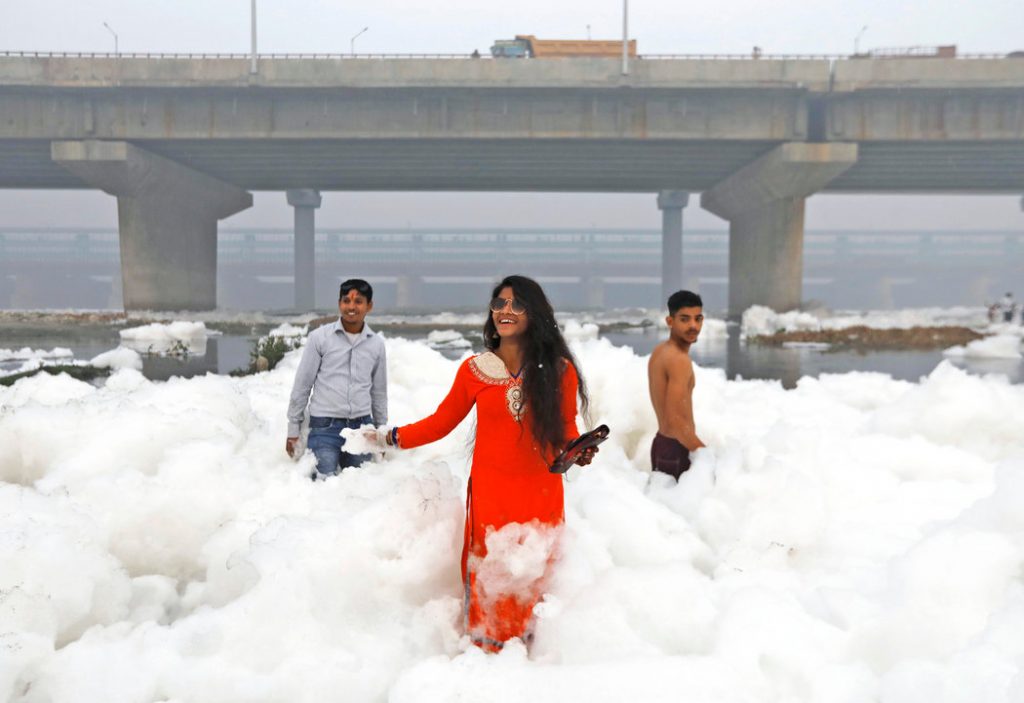
    周日,人们在新德里受污染的亚穆纳河上拍照。河上的泡沫是由工业废料产生的。

    周末在许多地区,致命颗粒物的水平达到了全球安全限值的60倍左右,相当于每天吸烟超过两包。人们聚在空气净化器附近,用毛巾封堵门缝,并祈祷雨水到来。

    周一,新德里,志愿者们戴着口罩准备监测车辆。

    为了改善空气质量,周一,新德里的官员开始对私家车实行单双日车牌限号。尽管如此,周一大部分城市的空气质量指数仍停留在被认为是“非常差”的400左右。

  • ‘Deal of the century’: Modi rides a tiger in Bangkok with hope China will help tame the beast

    Prime Minister Narendra Modi will ride a tiger in Bangkok when he decides if India will join the Regional Comprehensive Economic Partnership (RCEP) involving half of world’s population and 40 percent of the global economy.

    If India puts ink to paper, Modi could unleash a tsunami of protests at home which could leave him a loner amongst his own men and turn him into a villain in the eyes of farmers, dairy owners, the services industry and the automobile industry, at a minimum.

    If India dithers on signing the pact, it could leave Modi with few friends in his neighborhood, spurn Chinese President Xi Jinping’s offer of a “100-year plan” between the two countries (as reported by Xinhua) and affect its status in other multilateral pacts, such as BRICS (Brazil, Russia, India, China and South Africa), Russia-India-China (RIC) trilateral grouping and SCO (Shanghai Cooperation Organization).

    India’s commitment to Asia would appear secondary to US interests, which prefer a distrust between the two Asian giants, India and China. If RCEP has remained a stillborn child after seven years, it’s been primarily due to India playing coy.

    A little background to India and RCEP is in order. RCEP is a massive trade agreement between 10 members of the Association of Southeast Asian Nations (ASEAN), Brunei, Cambodia, Indonesia, Laos, Malaysia, Myanmar, the Philippines, Singapore, Thailand and Vietnam, and their six Foreign Trade Agreement (FTA) partners, India, China, Japan, South Korea, Australia and New Zealand. The pact covers trade in goods and services, investment, intellectual property and dispute resolution.

    India already has an FTA with ASEAN, so RCEP would essentially be an extension of it with six new partners. ASEAN has been of little benefit so far: India utilizes only 6 percent of it, compared to 36 percent by the ASEAN. Investment hasn’t been big either. Signing an FTA with China, which India reads as RCEP in reality, would turn the present $57 billion deficit between the two nations into an alarming proposition. 

    There is a history of FTAs or even Comprehensive Economic Cooperation Agreements (CECA) not working for India: It hasn’t with South Korea or Japan where imports have massively outstripped exports. India has been in FTA discussions with the European Union (EU) for a dozen years now but these appear frozen in time. The heart of the problem is two-fold: One, India lacks muscle in manufacturing; and two, FTAs never work for the service industry where India carries punch.

    The best example is trade with China, where India’s service industry has largely been kept out of gate through non-tariff barriers. Indian agriculture could be swamped by China’s big state enterprises, or, say, by Fonterra of New Zealand in dairy industry. The Society of Indian Automobile Manufacturers (SIAM) is already insisting that 28 items, including hybrid, electric cars and three-wheelers be kept out of the purview of RCEP.

    Red flags have also come from Modi’s own quarters. Rashtriya Swayamsevak Sangh (RSS), which is a parent body of the ruling Bharatiya Janata Party (BJP), through its offshoot Swadeshi Jagran Manch (SJM), held a 10-day nationwide protest against the RCEP this month. Various Indian ministries, including agriculture, textile, steel, and mines have either opposed it or sought protection for domestic industries. India’s Foreign Minister Subrahmanyam Jaishankar has publicly expressed his reservations about the RCEP.

    The trouble is, RCEP is just not economic, it also has strategic implications. India doesn’t want to be left out of the world’s largest trading bloc. A breakthrough may have just come about in the informal summit between Modi and Xi in Mamallapuram earlier this month. Apparently, Xi looked at a bilateral protocol within the RCEP to assuage India’s trade worries. He publicly said that India’s concerns would be taken into account though he didn’t mention RCEP.  Chinese news agency Xinhua said Modi is willing to join RCEP if it is balanced and equitable and this could lead to a separate India-China protocol under RCEP.

    It’s a tightrope walk which could test the most astute of statesmen. India wants to protect its economy but it also doesn’t want to be absent when East and South-East Asia is being integrated. India and China could make up more than 75 percent of $250 trillion which the RCEP economies could generate by 2050. If Modi manages to be on good terms with the tiger, he might as well ride it to sunset.

  • India’s increasing defenses eat away at farmland along border with Pakistan

    When half a dozen trucks loaded with construction material screeched to a halt on their farms, Baryam Singh and fellow residents in the Indian village of Bobiya sensed they were soon going to lose more land to the military.

    The farmers chased away the contractors and laborers with protests and threats of deflated tires, knowing it was only a temporary reprieve.

    “The military infrastructure has been growing in our village and our farmlands are shrinking,” Singh told the Thomson Reuters Foundation, as other farmers sitting around him nodded.

    “More than 50 percent of our agricultural land is under military lockdown,” he said of the village on the border with Pakistan.

    Over the past 15 years, the Indian army and the country’s Border Security Force (BSF) have been acquiring land to fortify defenses in the border districts of Jammu and Kashmir, according to the Border Welfare Committee, a local organization campaigning for the rights of border residents.

    Both India and Pakistan administer the disputed state of Kashmir in part while claiming it in full.

    The fertile land where Jammu and Kashmir meets Pakistan has become dotted with barbed wire and landmines, leaving hundreds of farmers cut off from their farms, often with no warning or compensation, said Bobiya villagers.

    “This is adding to the economic distress of farmers who don’t have alternative sources of livelihood,” said Singh.

    After India revoked the autonomy of its portion of Kashmir in August, farmers in border areas now fear losing even more of their land to the military, according to ID Khajuria, an activist who heads up the Jammu and Kashmir Forum for Peace and Territorial Integrity.

    With India bringing Jammu and Kashmir deeper into its fold, the central government will have greater power to seize territory in the border regions in the name of national security, he warned.

    “The local elected political representatives will now have a very limited say in the functioning of the (Jammu and Kashmir) government,” Khajuria said.

    Jammu divisional commissioner Sanjeev Verma said that all farmers in Jammu province would eventually be paid for their land.

    “Whatever new agricultural land is being acquired, the farmers will get financial compensation,” he said in a phone interview.

    Some have already been compensated, he added, though he declined to specify how many.

    ‘I am landless now’

    The defense system includes a fence of about 900 km in length that sits several kilometers into India from the border, slicing through villages and leaving vast tracts of farmland on the other side of the fence towards Pakistan.

    India’s government is also working on a “Wall of Defense” along the border between India and Pakistan, according to the Border Security Force.

    The project consists of a 10-metre-high mud embankment to protect residents of India’s border villages from frequent ceasefire violations that both sides blame on each other.

    There are also plans to install high-tech surveillance systems to plug gaps where physical surveillance is not possible, India’s ministry of home affairs announced last year.

    Members of the Border Welfare Committee — which is based in the city of Kathua — said that thousands of hectares of Indian farmland now sit untouched on the other side of the fence.

    Technically, farmers can still get to their land, but the checkpoints in the fence are opened only during specific times of day and farmers have to walk for hours to reach their fields, explained Bharat Bhushan Sharma, the committee’s vice president.

    Even if they do manage to successfully cultivate their crops, “there is always a threat of cross-border fire,” said Sharma, who is also head of Bobiya village.

    “And then (they) can’t protect their crops from wild animals.”

    Committee president Nanak Chand, 87, said he lost almost eight hectares of land to the fence when it was first built in 2004.

    “Three months ago, the military acquired the remaining two hectares of farmland as well,” he said. “I am landless now.”

    Chand was given 3 million rupees ($42,000) as compensation, which he says is not enough to buy himself an equivalent piece of land in a peaceful part of the country.

    Khajuria agreed, saying that “with developers and businessmen from other states rushing to Jammu and Kashmir, land prices are likely to soar and it would make it difficult for poor border residents to buy land in peaceful areas.”

    In December 2018, Chand filed a petition with the Jammu and Kashmir High Court on behalf of farmers living in the border areas of the affected districts.

    The petition called for the government to pay rent for farmland on the Pakistan side of the fence and provide farmers with compensation for each crop season during which their land remains uncultivated.

    The Ministry of Home Affairs, the BSF and the local administration have not yet filed their responses, according to lawyers representing the farmers.

    Jugal Kishore Sharma, a member of the ruling Bharatiya Janata Party who represents the Jammu-Poonch parliamentary constituency, could not specify how much of the land along the border currently being used by the military is farmland.

    But he said officials in the border districts are in the process of measuring that amount.

    “Thereafter, the government will start paying rent to farmers,” he said in a phone interview.

    Waiting for peace

    Often times, when the border fence cuts through a farm, it also isolates the village in which the farm is located, said Mohammad Arif Khan, 67, head of Behrooti village in Poonch district.

    As a result, “the villages (are) deprived of even the basic facilities and infrastructure,” he explained.

    The huge razor-wire fence has turned Behrooti into what locals have described as an open prison.

    “Our village doesn’t have roads and healthcare facilities. There is no internet or mobile phone connectivity,” said Mohammad Nisar Khan, 30, another resident.

    “A zoo is visited by people every day, but here the outsiders are not allowed. Socially, we are completely isolated.”

    The knowledge that the military plans to add high-tech surveillance equipment to the fence is disheartening, said Khan, who like many Indians living on the border is holding out hope that the fence will one day be moved onto the border itself.

    “We’ll become permanent prisoners if the fence gets upgraded at its current location,” he said.

    While the residents of Behrooti feel trapped in their village by the fence, others fear it will force them to leave their homes for good.

    “There’s little chance that our next generation will be in a position to continue living here (at the border),” said Meer Chand, a rice farmer in Nanga village, 30 km from Bobiya.

    “We’ve lost hope that there will ever be peace between India and Pakistan. We have neither security of life nor livelihood.”
  • 百事公司帮助印度管理水资源获卓越企业奖

    饮料公司百事公司(PepsiCo)在印度开展业务不仅考虑到使用水,而且还包括寻找可以补充的用水。

    据世界资源研究所(World Resources Institute)提供的资料,印度在全世界用水最紧张的国家中名列第13。针对这种情况,百事印度公司(PepsiCo India)为保护水源方面走在前列。该公司实施可持续水资源开发和管理项目(Sustainable Water Resource Development and Management Program),通过改造水储存设施和地面水井的补注,已补充了50多亿公升的用水,惠及60,000社区成员。

    百事公司作为跨国公司坚持可持续性原则,获得2019年可持续作业类别的国务卿卓越企业奖状(Award for Corporate Excellence)。“阿吉利斯伙伴集团”(Agilis Partners)作为中小企业获得同类别的奖项。

    卓越企业奖于1999年创立,用于表彰在经营所在地社区坚持高标准经营,同时展示可持续性有助于促进现代经济繁荣的美国公司。

    国务卿迈克尔·蓬佩奥(Michael R. Pompeo)在谈到美国公司的情况时表示,“我们参与其中的重要主题是:美国在所到之处都寻求伙伴关系,不谋求控制。”

    2017年,百事印度公司还与当地社区一起倡导提高水源补充和保护的农耕方式,节约了170多亿公升用水。百事公司与印度9个邦的24,000名农民采用新技术和可持续的农耕方式供应土豆、玉米等作物。

    百事亚洲、中东和北非区(PepsiCo Asia, Middle East and North Africa)高级副总裁克里斯塔·派洛特(Krista Pilot)说,“在百事公司,我们以‘目的性绩效’(Winning with Purpose)为指导。这是我们的基本信条,决定了我们公司的效绩与我们周围世界的可持续性密不可分。”

  • 印度农村的电生意

    行驶中的汽车扬起尘土,车灯在无边的黑暗中亮起,村民们的轮廓就这样显现在亮光之中。展现在眼前的这一幕仿佛是电影《第三类接触》中的画面。

    2017年12月,我到印度的普拉塔普纳格尔村(音译)采访。从印度首都新德里出发,乘飞机向东南方向飞行1小时,然后再坐2小时的车,在崎岖不平的路上摇晃了一路,才抵达目的地。这里的人们大多靠农业为生。

    在印度,很多地方还没有通电,或是供电不稳定。一方面,人们又普遍使用手机,通信基站也很多。有人在这一点上发现了商机,由此产生了新的生意。

    这种生意就是建立小型光伏发电站,为通信基站供应电力,再把剩余电力供应给周边居民。日本的大型商社也参与了投资。

    在周边一片黑暗中,修库拉(音译)家是唯一用上电的家庭。据说他家签订了每天能用6小时电的协议,1个月需要170卢比(约合人民币16.46元)。

    修库拉介绍道:“国营电力公司供电很不稳定,经常停电。但是现在即便到了晚上,我家也能不慌不忙地准备晚饭,(这些小型发电站)帮了大忙了。”孩子们也能在LED灯下看书,一家人看起来非常高兴。

    生活在日本,用电是一件理所当然的事,人们渐渐忘却了电的可贵。大阪北部6月18日发生地震,导致大规模停电,城市的部分机能陷入瘫痪。那时,我想起了印度农村的人们,他们无比珍惜带来光明的电。

  • 印度也要限制人口增长了

    印度也要限制人口增长了?

    “穷人为什么没有获得水、洗手间和电力呢?必须改善贫困”,印度总理莫迪在8月15日独立纪念日的演说中如此强调。这是每年例行的活动,也是发布重要政策的场合。今年除了水等最低限度的基础设施建设之外,莫迪还把焦点对准了克什米尔问题。他强调称为了解决水问题,印度今后将投入3.5万亿卢比(约合人民币3500亿元)。

    莫迪此次新提出看法称,“人口膨胀是新的挑战。有可能成为增长的阻碍”。日本制造业企业的高管认为,“由于当地产业的振兴政策‘印度制造’进展不顺,莫迪自5月开始的第2任期把重心转向了民生”。印度政府8月以后相继发布经济刺激措施,但都没有成效,正在转向民粹主义政策。

    日本企业拓展印度市场,用普通的办法行不通。日本贸易振兴机构(JETRO)的调查显示,进入印度市场5~10年后,实现扭亏为盈的日本企业仍只有5成多。有贸易商的高管感叹称,“由于价格竞争和行政审批的严格,获得收益需要较长时间”。

    推动日本企业展开行动的是印度属于将超过中国的人口大国、中产阶级的消费会日趋加强这种预期。联合国数据显示,印度人口将从2019年的13亿多增至2030年的15亿多。

    不过,现实却是印度的就业岗位增加跟不上人口增长,莫迪受到历史最糟糕的高失业率困扰。在此次暗示重视民生和抑制人口的发言的背后,有可能透露出中产阶级的壮大可能会推迟的风险。与价格相比,日本企业试图以高附加值产品参与印度市场竞争。因此如果市场无法顺利扩大,业务拓展有可能变得困难。

  • Indian nun expelled after rape protest sees appeal rejected

    Nuns and Muslim supporters demand the arrest of Bishop Franco Mulakkal, who is accused of raping a nun, outside the High Court in Kochi in the southern Indian state of Kerala on Sept. 13, 2018. A nun who supported the protests has been dismissed from her congregation because her lifestyle violated congregation norms. (AFP photo)

    An Indian Catholic nun, dismissed from her congregation in southern Kerala after protesting against a bishop accused of rape, has had her appeal against the expulsion rejected by the Vatican.

    Sister Lucy Kalapura was dismissed Aug. 5 for failing to show the “needed remorse” for what congregation officials called a lifestyle that violated congregation norms and infringed on the vow of poverty.

    Sister Kalapura, a member of the Franciscan Clarist Congregation, challenged the decision, saying officials only moved after she publicly urged action against Bishop Franco Mulakkal, accused of raping a nun multiple times between 2014 and 2016.

    But the Vatican has now rejected the appeal filed to its Congregation for Oriental Churches. 

    The 54-year-old nun, informed of the decision in a letter, said she has been denied justice, alleging church officials did not contact her to get her side of the story.

    “I am not going to leave the convent. The lifestyle I lead is as per the rules and regulations,” she told the BBC.

    “I am allowed a second appeal, but I don’t see any point in doing that since they have made up their mind. I will now go to court on behalf of all the people who are being suppressed and facing illegal behavior from authorities of the congregation.”

    Sister Kalapura joined protests organized by nuns from another order and dozens of their supporters in 2018 seeking action against the bishop, in a rare show of dissent against the Church.

    Other nuns have accused the Church in Kerala as well as Vatican officials of turning a blind eye to the allegations against the bishop.

    The bishop was charged in April this year with wrongful confinement, rape of a woman incapable of giving consent, causing grievous bodily harm during rape, unnatural offense and criminal intimidation. He denies any wrongdoing.

    Church sources have maintained that Sister Kalapura’s dismissal was not a case of vindictive action. She was dismissed for defiantly breaking the congregation’s rules, including spending her salary on buying a car and other personal items. She teaches in a government-aided school.

    She also spent $1,000 to publish a book against the advice of her superiors and ignored warnings against appearing in media and giving interviews explaining her support for the protesting nuns.

    She received a canonical warning letter in January over her actions, but had previously received other warnings, urging her to change her ways in order to stay living in the congregation.

    Christians — mostly Catholic — are the third largest religious group in India, after Hindus and Muslims.

    The Catholic Church has been rocked by scandals of sexual abuse by clergy across the world in recent years. Pope Francis publicly addressed the issue of sexual abuse of nuns by clerics for the first time in February, saying reports of wrongdoing are taken seriously.

  • Indian nun Mariam Thresia declared a saint

    Pope Francis declared Indian nun Mariam Thresia Chiramel Mankidiyan a saint, during a ceremony at the Vatican on Oct. 13 that drew tens of thousands of pilgrims from around the world.

    Huge banners of St. Mariam Thresia and four other newly canonized saints were hung at the front of St. Peter’s Basilica ahead of the open-air ceremony attended by government ministers, a member of the British royal family and throngs of faithful.

    Born in 1876 into a wealthy family in southern India, St. Mariam Thresia insisted instead on living a life of piety from a young age, the Vatican News reported. She slept on a gravel floor rather than a bed and was committed to serving the poor and the sick in southern Kerala state.

    “In imitation of Jesus, she helped the poor, nursed the sick, visited and comforted the lonely people of her parish,” Vatican News said of Thresia who founded the Congregation of the Holy Family, a religious order, in 1914.   

    “She was also blessed with the stigmata but kept it secret to avoid attention. Her entire existence was tormented by demons and she offered her sufferings for the remission of the sins of the world,” the news service said. Thresia died in 1926 aged 50.

    Among the audience at Sunday’s ceremony in Rome was an Indian family and their son, whose life Thresia is credited with saving in 2009 during a miracle performed soon after his birth.

    The boy, born prematurely, was suffering from respiratory illness and was prescribed a medicine that needed to be administered through a special ventilator. With no such equipment available for the boy, doctors feared the worst, Sister Udaya, superior general of the Congregation of the Holy Family said.

    “On the third day, the child was gasping, and doctors explained it was going to be fatal. So, the parents and the grandparents, who very fond of Mariam Thresia, were praying very hard,” she told Vatican News.

    The grandmother placed a religious relic on the baby as they prayed to St. Mariam Thresia, and there was a sudden and “drastic improvement” soon after, the baby recovered “and the doctors said it cannot be explained medically,” she said.

    St. Mariam Thresia was declared blessed by Pope St. John Paul II in 1999, and Pope Francis later authorized a decree, recognizing the miracle through her intercession, clearing her way for sainthood.

    Sister Udaya said sisters of the order have since been preparing for the canonization ceremony, including with special prayers and a religious retreat. But, in keeping with St. Mariam Thresia’s work, they have mostly focused on charitable acts, including housing projects and helping students, the sick and others.

    The other four canonized by the pope are St. John Henry Newman, the British theologian, poet and cardinal (1801-1890); Brazilian St. Maria Rita Lopes Pontes (1914-1992); St. Marguerite Bays, a Swiss laywoman and mystic (1815 – 1879) and St. Josephine Vannini, the Italian co-founder of the Daughters of St. Camillus (1859 -1911)

  • India’s palm oil buyers boycott Malaysia over Kashmir comments

    India’s top vegetable oil trade body has asked its members to stop buying palm oil from Malaysia, an unprecedented call aimed at helping New Delhi punish the country for criticizing India over its policy towards Kashmir.

    The Oct. 21 directive by the Solvent Extractors’ Association of India (SEAI) shows how nationalist sentiments can affect international business, and is a big blow to Malaysia, the world’s second largest producer and exporter of palm oil after Indonesia.

    India was Malaysia’s third-largest export destination in 2018 for palm oil and palm-based products worth 6.84 billion ringgit ($1.63 billion). Vegetable oil contributed 2.8 percent of Malaysia’s gross domestic product last year and 4.5 percent to total exports.

    “Our government has not taken kindly to the unprovoked pronouncements by the Malaysian prime minister and is contemplating some retaliatory action,” SEAI President Atul Chaturvedi said in a statement carrying a note to its members.

    “It would be in fitness of things, as responsible Indian vegetable oil industry, we avoid purchasing of palm oil from Malaysia till such time clarity on the way forward emerges from Indian government.”

    He said the guidance was issued in its own interest as well as a mark of solidarity with the country.

    Reuters reported that India was considering curbing imports of some products from Malaysia, including palm oil, after Prime Minister Mahathir Mohamad said last month that India had “invaded and occupied” Kashmir, a disputed Muslim-majority region also claimed by Pakistan.

    India stripped its portion of the Kashmir valley of statehood and autonomy on Aug. 5.

    Some Indian traders said refiners had already stopped buying Malaysian palm oil for shipment in November and December, fearing higher import taxes or other measures. In any case, household palm oil consumption falls in India during winter as the tropical oil solidifies at lower temperature.

    India’s government has rebuked Malaysia for its stance on Kashmir but has not commented on any trade measures. India’s trade ministry declined to comment.

  • New India lauds Mahatma Gandhi on all but one important matter

    India is abuzz with Mahatma Gandhi in the year of the 150th anniversary of his birth but there is a new version to his message of “ahimsa” (non-violence) which the country’s enemies are finding out at a great personal cost.

    Gandhi was the “apostle” of peace and non-violence who offered the other cheek when slapped but the India of today would rather leave a black eye on its aggressor as it did on Pakistan with retaliatory heavy shelling in Pakistan Occupied Kashmir (PoK) on Sunday, which left at least 6-10 Pakistani soldiers dead and blew up three terrorist camps into thin air.

    It was a grim fresh reminder to Pakistan that India has the doctrine of an eye-for-an-eye in its new rulebook and the “surgical strikes” and “Balakot airstrikes” which followed the terrorist attacks in Uri (2016) and Pulwama (2019) are the new philosophy and not an exception.

    India is still an adherent to “non-violence” and has an unbroken history of peaceful coexistence, never eyeing others’ territory but the painful lessons of the past demand it puts a premium on the integrity of its Union.

    India’s National Security Advisor Ajit Doval often reminds his audience that India was overrun by invaders despite being arguably the most advanced civilization of its time. It never protected its seas even though they straddle three of its four corners. It led to the servitude of almost a thousand years. It faced wars imposed by Pakistan on three of four occasions: 1947-48, 1965 and 1999. It didn’t use 90,000 prisoners-of-war as a bargaining chip nor did it advance deep inside Pakistan after winning a conclusive war in 1971 which led to the creation of Bangladesh.

    India was seen as the epitome of a “soft” nation as terrorists kept crossing the Line of Control (LoC) through Punjab and Jammu and Kashmir and cost tens of thousands of civilians and soldiers’ lives since 1990. The horrific attack in Mumbai, India’s commercial capital, when terrorists from across the border sprayed machine guns on civilians on the streets and five-star hotels, known as 26/11 in the nation’s damaged psyche, evoked no retaliatory response from India. Worse, the very next year in 2009, the same United Progressive Alliance (UPA), returned to power without any retribution from its masses.

    All this has changed for good. India today is driven in its bid to modernize its army: It has only recently ceded its top spot to Saudi Arabia as the biggest arms importer of the world — the Stockholm International Peace Research Institute (SIPRI) reckons India accounted for 12 percent of the total global arms imports for the 2013-2017 period. It has lapped up Russia’s S-400 advanced missile system defying the threat of sanctions from the United States. It has gone ahead with its purchase of France’s Rafale fighter jets even though the move threatened to derail Indian Prime Minister Narendra Modi’s bid for a second term on unfounded charges of corruption this year.

  • 印度灵修大师巴关疑逃税 搜出数十亿财产

    (法新社新德里22日电) 自称是印度教神只毗湿奴第10化身「迦乐季」(Kalki)转世、推动「合一」哲学的印度灵修大师巴关被控逃税,警方在他名下的40处不动产查获数十亿财产,包括现金和黄金。

    70岁的巴关(Kalki Bhagavan)在成为据信有数百万信众的心灵导师前,是一位保险经纪人。他后来推动「合一」哲学,每年有数百万美元的奉献进帐。曾有报导指出,信徒为看他和夫人阿玛(Amma)一眼,需支付60美元,而一对一会谈价码则自700美元起跳。

    巴关还创立现由儿子经营、占地超过400英亩(约162万平方公尺)的「合一大学」,开设多样灵修课程,学员来自世界各地。

    印度当局今天指出,动员300名调查员在3个南部省分耗时5天搜查后,在巴关名下40处不动产共起出约250万美元现金、重达90公斤的黄金和数颗钻石,总价值估计超过1400万美元(约新台币4亿2836万元)。此外还有总金额约40亿卢比(新台币17亿2700万元)的现金收据,以及投资和商业文件。

    巴关及其组织被控逃税,以及积聚来路不明财富,总金额估计高达7500万美元(约新台币23亿元)。一位不愿具名的税务官员指出,巴关所领导组织长年隐匿财务资讯,并透过空壳公司将财富转至不动产和其他国家。

    巴关和阿玛昨天发布录影声明,否认媒体报导所称两人已逃离印度。

    身穿招牌白长衫的巴关在影片中看似一派祥和。他对信众说:「我们不会离开你们、不会弃你们于不顾…一切都会如常、一切持续如常。」

  • 印度高校为防作弊让学生头戴纸箱参加考试

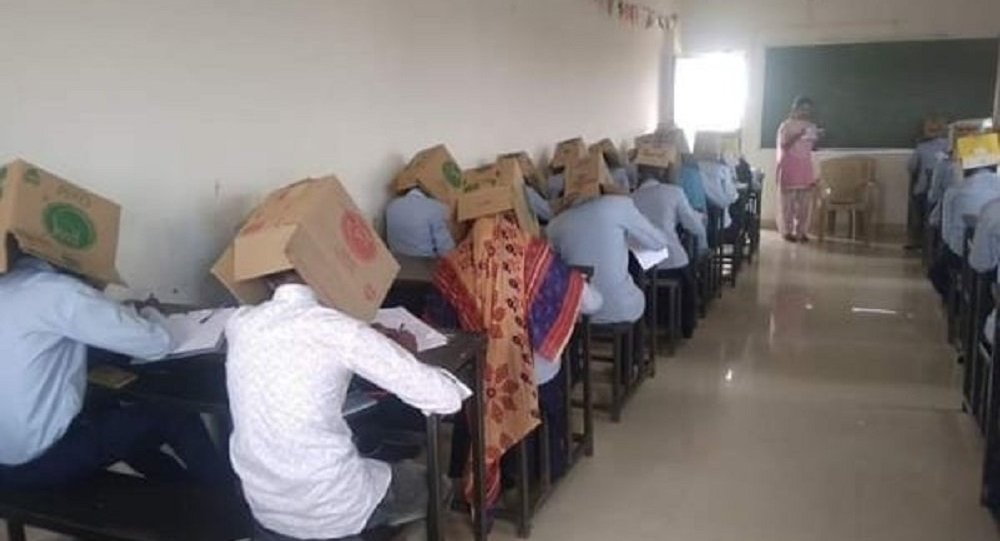
    据《印度时报》日前报道,印度一所学院的学生被迫把纸箱戴在头上,以防止考试作弊。

    位于印度哈韦里的巴格特学院工作人员证实,曾在学生同意的情况下进行过实验。戴在学生头上的纸箱被剪出一个洞,他们只能看到自己面前的东西。
    学生头戴纸箱的照片在互联网发布后,当地教育部门代表要求这所学院的工作人员停止这种做法。

  • PM Modi warns against efforts to ‘demonize’ technology in India, says AI can be harnessed to benefit mankind

    Indian Prime Minister Narendra Modi has spoken out against anti-technology sentiment in his country, arguing that the debate over artificial intelligence (AI) is needlessly pessimistic.

    Speaking at his official residence during the launch of a new book on the subject, Modi told attendees that a “major effort is being made to demonize technology. Attempts are being made to create an atmosphere of fear.”

    He stressed that concerns about the potential of rogue or dangerous AI systems have stemmed from a poor understanding of what the technology offers to the world.

    “The debate should be on how to create a bridge between artificial intelligence and human intentions,” he said. Technology, according to Modi, can be used “for everyone’s development.”

    His comments were part of a launch event for a new book, ‘Bridgital Nation,’ which envisages India becoming a leading economic power by 2030 thanks to the country’s decision to embrace advanced technology.

  • Netherlands can help India become the food factory of the world: Dutch Minister

    NEW DELHI: Netherlands can contribute to connect the production capacity of India to consumers worldwide, by excellent logistics and cold chain, says Dutch vice minister of Agriculture Marjolijn Sonnema who is India with a trade delegation.

    To strengthen the relations in agriculture, horticulture and climate, the delegation of over 37 business delegates under the leadership of minister of Agriculture are engaging with local authorities in Karnataka and business leaders.

    “India has the ambition to become the food factory of the world, to double farmers income and to increase the export of agriculture & food products by 2022. The Netherlands is the ideal partner to realize these goals, and simultaneously work together to realize the UN Sustainable Development Goals (SDG’s) by 2030,” says Sonnema.

    The Netherlands is the second largest exporter of agricultural products in the world (2018: US$ 100 billion) and has vast experience in managing supply chains for fresh vegetables, food and flowers to market destinations all over the world.

    “We are the second largest exporter of agricultural products, but it is certainly not our ambition to feed the population in India. Our strength is that we have the ambition to help Indian farmers to produce food in a more sustainable and efficient way. In fact, Indian agriculture exports to the Netherlands are about six times higher than the other way around,” says Sonnema.

    The minister says that many Dutch companies have already strong ties with their partners in the Bangalore region. “We are particularly happy that so many training institutes and knowledge centers are attracted to this mission. Together we can overcome some of the pressing problems facing the sustainability of food production, introducing best practices,” she says.

    Another important theme during the trade mission will be making agriculture more resilient in the light of climate change. After two consecutive hot and dry summers in Europe, Dutch farmers are looking differently to the effects of climate change. “By adapting different farming practices and by using better seeds, we can overcome some of the challenges that climate poses, like water scarcity. We also know that India is particularly vulnerable when it comes to water,” says the minister.

    The latest drive of the competitive Dutch agricultural sector is circularity. “If we make agriculture circular with less inputs, we can reduce waste, and make food production climate resilient,” the Vice Minister mentions.

    The minister is part of the delegation of Netherlands’ King Willem-Alexander and Queen Maxima, who are on a state visit to India.

  • 印度,胖子人数增加迅速

    英国《每日电讯报》最近刊文称,到2030年世界上将有2.5亿肥胖儿童,在印度,胖子人数增加迅速。

    肥胖儿童更有可能成为肥胖的成年人,易患多种非传染性疾病,如糖尿病、心血管疾病和肌肉骨骼等问题。肥胖儿童人数的增加与饮食传统的变化有关。他们吃含太多高热量的食物,精加工食物和含糖量高的软饮料。城市化的扩大还意味着儿童更有可能从事较少的身体活动,并导致大多为久坐不动的生活方式。目前在印度有1100万肥胖儿童。到2030年,如果不采取行动,将达2700万。

  • 印度茉莉:无处不在的幸运花

    印度茉莉:无处不在的幸运花

    我在 Periyar 公交站外见到了德哈纳拉克什米(Dhanalakshmi),那里位于印度南部城市马杜赖(Madurai)的中心位置。当时太阳刚刚升起,阴冷的空气慢慢暖合起来,粉色和金色的条纹铺满天空。

    她身穿简单的红色沙丽,用胯部支撑着一个大篮子,里面整齐地铺着绿色的香蕉叶,上面盘绕着一条条个头不大但却奇香无比的白色花蕾:这就是著名的 jasminum sambac 茉莉花,当地人称之为 malligai。

    “丈夫7年前去世后,我就开始卖茉莉花。”德哈纳拉克什米边说边递给我一束花,”这让我可以养家糊口,给两个女儿凑够结婚的钱。”

    德哈纳拉克什米一整天都站在这里卖花,每束约有100个花蕾,售价30至40卢比。她每天拂晓开始工作,有时候要到晚上9点才能卖完。

    在泰米尔纳德邦的这个以朝圣者为主的小镇上,像德哈纳拉克什米这样的卖花人很常见,茉莉花的芳香向来都是马杜赖最重要的标志。

    茉莉花不仅是马杜赖的经济作物,还代表了一种生活方式,甚至成为了宗教祭祀、地方传说以及古代和当代文化中不可分割的一种艺术形式。

    泰米尔纳德邦的很多妇女都会在头上系一串漂亮的茉莉花,因为这代表着好运。古代寺庙的雕塑和绘画中都能见到这种花,而当地的传统首饰上同样可以看到茉莉花的图案和形状,尤其是项链、耳环、脚链和手镯。印度教信徒还会用花环装饰神明,当地人举行婚礼时也必定会用白色的花蕾装饰整个大厅。

    尽管泰米尔纳德邦的茉莉花种类繁多,但无论是本地人还是外国人,似乎都对马杜赖的malligai钟爱有加。它蜡白色的花朵呈椭圆形,香气远非其他品种所能媲美,厚实的花瓣可以保存大量水分,最长两天都不会枯萎。

    2013年,在农学家和激进分子的努力下,malligai获得了地理标志,不仅受到法律保护,而且树立了自己的品质。

    “马杜赖malligai独特的形状、香气和质地使之区别于其他品种。”当地非政府组织DHAN Foundation项目负责人麦汗·库玛(A Madhan Kumar)说,该组织在帮助malligai获得地理标志时发挥了关键作用。

    为了找到更多茉莉花,我来到了一个名叫 Parampupatti 的小村子,这也是马杜赖周围分布的众多农村之一。即便是在1月,午间的太阳依然炙烤着我的背部。无论在哪里,只要双脚深陷在几英尺厚的松软红泥里,我就能看到一片绿意盎然。茉莉花属于灌木,高度只有60厘米,目之所及满眼都是它们的身影。

    这里的采花工人都是女性,她们从黎明一直忙碌到现在。

    “3月到5月的旺季,我们从早晨5点就要开始工作。”马苏皮拉(Muthupillar)说,”那时候有很多花要采。”

    这些女工每采满一筐就能赚50卢比,旺季时一天能采8到10筐。这些花会被装进藤条或黄麻编织的篮子里,采摘之后立刻送到马杜赖Mattuthavani社区的露天花卉市场,德哈纳拉克什米这样的卖花人每天都会到那里备货。

    很显然,这个行业里的多数工作都是由女性来完成的,但真正获得利益的似乎是男性。

    社会和文化人类学家、《马杜赖Malligai:马杜赖和它的茉莉花——一种庆典》(Madurai Malligai: Madurai and Its Jasmine – A Celebration)一书的作者乌玛•卡南(Uma Kannan)博士说,”负责采花和串花、在街上卖花以及从事体力劳动的人都是女性,但出售大量茉莉花并攫取多数利润的却是男性。”

    这种不公平的现状在 Mattuthavani 体现得尤为明显。

    以女性为主的卖花人在市场入口的临时平台上按束购买茉莉花,多数男性代理商却会直接跟当地花农直接洽谈大宗交易。

    第三代代理商拉简德兰(SN Rajendran)专门为香水行业供应茉莉花。他会用冰块包裹花朵,以保持新鲜,然后运往世界各地,其中一些最终被迪奥或香奈儿这样的著名香水厂商粉碎,制成芳香精华。

    “我的父亲和祖父一直都在这个行业卖花,我后来继承了生意。”拉简德兰说,”这个行业一直都很繁荣,如果做出口,一天可以赚5,000至1万卢比。”

    “淡季时,随着茉莉花需求增加、产量降低,每公斤的价格会在400至2,000卢比之间波动,今天的价格是每公斤1,000卢比。”他补充道。

    没有钱的女人很难参与到行业竞争中,因为贸易很不稳定,价格波动也很大。”缺乏资金和害怕风险是一大问题。”库玛说。

    如果德哈纳拉克什米这样的卖花人可以直接从当地花农那里采购茉莉花,而不通过代理商,便可获得更高的利润。

    为了帮助他们应对这种不公平的现状,DHAN Foundation为250多名女性提供了培训,帮助她们通过卖花维持生计,而且设计了一套小额融资方案,帮助她们获得银行贷款和其他支持。然而,他们虽然一直在努力消除中间商,但却并非总能取得成功。即便当女性集合了自己的资源共同采购时,往往也无法比肩资金充裕的代理商。很多代理商向花农预付了很多资金,并最终对生产流程施加了更大的控制。

    “代理商的预付款对小花农来说非常重要,他们一直都需要投入资金来购买化肥、种子和其他农资。”库玛说,”想要打破存在了30多年的体制并非易事。”

    但有一小部分女性正在寻找其他方式解决这个问题。

    玛哈拉克米(Mahalakhmi)过去4个月一直在 Mattuthavani 外面卖茉莉花,但她的主要收入来自利润更丰厚的业务,那就是为婚礼和集会供应茉莉花环。

    “多数女性的创业精神都不够强。”她说,”她们满足于把花朵串成短短的花束。更赚钱的花环需要更高的精度。我很多年前在我们村子里的一个自助小组学会了这种技能。”

    正是因为接受过这种培训,她每天最多能赚2,000卢比,使之可以抚养3个女儿和最近刚刚变成孤儿的外甥。

    但花环的制作工艺比串花复杂得多——而且多数女性根本没有学习这种技能的机会,因为这仍是男人圈子里的秘密。

    卡南对我说,很多男性甚至不愿意把这项技能教给自己的妻子,他们更愿意让女性扮演行业中既定的性别角色,负责采花和卖花。她多年以来一直希望解决这个问题。

    “我感觉,在茉莉花的设计中融入更大的创造力对于挽救女工的生计至关重要,还可以帮助她们与行业里的男性平起平坐。”她说。

    自2011年以来,卡南安排当地作坊为1,500多名女性提供了培训,向其传授复杂的编花技能和新颖的花艺样式。她们中的很多人都是第一次学习编花工艺的棚户区住户。

    “这些女性都很了不起,她们能够坦然接受这种不平等现状,在从事这份工作时也心存感激。”卡南说,”感觉就像茉莉花的芳香融入了她们的血脉。”

    但当女性卖花人结成一体,获得额外培训,并且更好地意识到自己的权利和不足时,情况便有望发生变化。

    “这个行业的各个贸易层面显然都需要女性。”玛哈拉克米说。

  • 用雨季气息提炼的印度香水

    用雨季气息提炼的印度香水

    多年前,我的一位印度朋友告诉我,印度有一种用雨季第一场雨水提炼出的特殊香水。我一直想找到这种香水,但是,但是在这个充斥着化学合成香精的时代,用传统工艺制造的香水已经很难找到。有人告诉我,位于旧德里的古拉博·辛格香水店(Gulab Singh Johrimal)可能有这种东西。

    多年来,古拉博·辛格香水店一直在从事香水产品的销售。每天早晨,当卷帘门一打开,这家商店就会吸引形形色色的顾客,从衣着楚楚,操着英国英语口音的上流社会女士,到购买香水以求打动情人心的十几岁小青年,各色人等应有尽有。所有的顾客都知道,古拉博·辛格香水店是一个琳琅满目的香水世界。

    香水店所在的达里巴·汗(Dariba Kalan)大街街面狭窄但人流如潮,这里距离旧德里著名的月光集市(Chandhi Chowk)只有一街之隔。旧德里首建于1659年,曾经是莫卧儿王朝的首都。月光集市曾经是一条宽阔雅致的大道。大道跨过一条运河,两侧分布着外观精细复杂的建筑。

    然而,这条曾经景色秀丽的大道现在已被汹涌的人潮淹没。当我上午10点来到古拉博·辛格香水店时,这条大街上已经挤满了小车、公共汽车、人力车、行人、马匹和不时出现的山羊。

    香水店的外观毫不起眼,内部则装饰朴素,强调功能,柜台后面站着几位营业员等待着顾客的到来。但是当你走近柜台后,就会发现很多有趣的东西:雕工精细的货架、仍在正常走时的老式座钟、以及一块刻着这家香水店成立年份1816年的小木牌。

    目前经营这家香水店的是普拉夫·甘地(PrafulGundhi)以及他的兄弟、父亲和叔父们。”我和我的兄弟是这家香水店的第七代传人,”甘地自豪地对我说。他还说,最近他的一位侄子也加入了店铺运营的行列,从而开启了第八代传人的序幕。

    可惜的是,就连这家香水店的传人都对它的历史知之甚少。甘地说,1857年印度士兵和英国殖民当局爆发武装冲突时,这家店可能被洗劫过,但因为没有记录保留下来,他也不敢确定。他拿出一本供装饰用途的印度历史书,翻出了其中的一幅描绘着旧德里香水店的画。尽管这幅老画上没有显示店铺的名称,但是甘地相信这就是古拉博·辛格香水店。

    “我们有一个箱子和画里的箱子一样,门外的台阶也一样,”他指着画中的各处细节说。

    我坐在柜台前面,看着甘地拿出了一瓶又一瓶香水。这些香水都是从各种花朵提炼出来的:印度茉莉、荷花、赤素馨花、培地茅、以及香根草根。所有香水中最昂贵的是玫瑰香水,每10毫升售价3.3万卢比。玫瑰香水的气味净雅细微,但却沁人心脾。

    “我们卖的香水基本都是印度香水,是用传统工艺从花朵中提炼出来的,”甘地一边拧开一瓶香水的盖子把瓶子递给我,一边说。

    他说,拥有数千年历史的蒸汽提炼工艺在莫卧儿帝国统治期间得到了复兴。莫卧儿帝国统治者是中世纪从中亚地区来到印度的。蒸汽提炼工艺中,要在密闭容器中把花朵和其他原料悬浮在沸水上,然后再提取溶解在蒸汽中的香水成分。

    “我们用铜质容器和竹管提炼香水,这些工具和数千年前没什么不同,工艺也一样,”甘地说。

    尽管这家香水店有自己的玫瑰种植园,但每年出产的玫瑰香水数量有限。它的大多数香精都是从印度北方邦的一座小镇卡瑙季(Kannauj)——印度香水制造业的中心——采购的,从而获得了来自印度各地的独特香气。我打开一个样品盒,把几滴香水滴在皮肤上让香气扩散。产自印度东部奥里萨邦的露兜花香气浓郁,类似藏红花,而产自印度南部哥印拜陀的茉莉则香气甜蜜,使人沉醉。

    最后,我终于找到了我此行寻找的目标:米蒂香水(mitti)或吉尔(gill)香水(米蒂指”泥土”,吉尔指”湿”,当特指香水时,两个词可以互换使用。)甘地的脸上露出笑容,他把一滴香水滴在我的手上,等待着我的反应。

    香水散发出一种浓郁、温暖而带木香的香气。我在德里住了很多年,已经有很多次闻到过当第一场雨洒落在被夏天的烈日炙烤的土地上时散发出的清香。但我可能认不出来有这种香气的香水。甘地告诉我,这款香水的使用时间是关键:人们喜欢在夏天最热的时候使用这种香水,这能让他们回忆起雨季的舒爽,从而让心情舒缓下来。

    “现在是春季,人们对这种香水并不十分感冒,”甘地说。”但随着气温的升高,使用这种香水,希望勾起起雨季回忆的人就会越来越多。人们对这款香水也就愈发喜爱。”

    那么这款香水是如何制造的?我闻着这款带有泥土气息的香水,脑海中不由浮现出正在等待第一场雨落下的工人。他们挖出大块潮湿的红色泥土堆在铜锅里准备提炼。当然,工人们不会采用这种做法。

    “要重现这种气味,我们要把很多陶器碎片放在大型铜质容器里加入水,然后点火加热,”甘地解释说。

    容器中产生的蒸汽通入檀香木香水。檀香木香水会吸收蒸汽中包含的香气。然后再把水分离掉。”闻到这款香水时,你的第一个感觉是檀香木气味,然后又会感觉到旱季过后第一场雨的独特气味,”他说。”这就是雨季的气味。”

    就在这时,一对举止优雅的夫妇走进了香水店。”你们有raatki rani香水吗?”女士问道。raatki rani是一种只在夜间开花的茉莉。

    “没有,但我们有晚香玉香水,它也是在晚上开花的,”甘地回答道。他走向货架,回来时手里拿着一只古色古香的雕花玻璃瓶。

    那位女士看着她自己的手寻找一块没有滴过香水的地方。”我今天试了很多鲜花香水,走在路上,连蜜蜂都往我手上落!”她开玩笑说。

    她还问了米蒂香水。”我在德国教瑜伽和冥想。我告诉那里的欧洲人,我们有一种泥土做的香水,他们都不相信我,”她说。

    我和这位女士各买了一瓶,然后走出了这家香水店。在这个季节,气温正在逐渐上升。在印度北部即将到来的酷暑季节,我打算在手腕上滴上几滴米蒂香水,它独特的香气将会让我如同身处一个清凉世界。

  • 优衣库印度开店,面临特殊国情挑战

    日本迅销10月4日在印度首都新德里开设了优衣库的1号店,正式进驻该国。迅销从提出构想到实现开店被认为用了10多年,今后希望把印度打造为与中国大陆并驾齐驱的海外业务支柱。不过,由于严格的外资限制等原因,世界最大服装企业Inditex在印度陷入苦战。开拓13亿人的印度市场将成为与监管和当地特有国情的战斗。

    通过本地化一决胜负

    10月3日,在印度当地举行的记者会上,迅销会长兼社长柳井正强调称,“期待实现与中国同等或更大的增长”。继印度1号店之后,迅销将在新德里和近郊城市开设2家优衣库店铺。柳井正强调称,在几乎同一时期开设3家店是“重视印度市场的证明”。

    从主力的优衣库业务来看,2018财年(截至2018年8月)的海外销售额超过日本国内,起到拉动作用的是中国大陆市场。

    包括香港和台湾在内的“大中华地区”的店铺数超过800家,占优衣库2018财年海外销售额(8963亿日元)的一半。如果保持每年100家左右的开店速度,预计2021财年达到1000家店铺。

    在中国大陆,基于社交网站的数字营销和携手日本热门卡通形象的品牌战略奏效。在印度,优衣库并非移植日本模式,而是携手当地的女设计师,推出传统服装“Kurta”等。将借助彻底争取年轻人等需求的“本地化”来一决胜负。

    不过,开拓印度市场用普通办法行不通。这是因为,以外资限制为代表,面临很多印度当地特有的难题。

    优衣库自进驻印度之前就被很多障碍阻挡。柳井正自10多年前起就对在印度拓展业务表明了积极态度,还到访当地与印度总理莫迪会面,加快构建亲密关系。

    但印度存在对外资零售业的出资限制等,除了中央政府之外,印度各邦也存在细致的规定。在迅销内部有声音表示,“言出即行的柳井吃了苦头”,似乎在应对限制方面花费了很多时间。

    寻找高品质工厂

    在中国大陆,优衣库作为价格略高的时尚品牌广为人知。在全球大型休闲服装企业之中,优衣库对品质的追求更为突出。了解优衣库的服装相关人士指出了“在印度生产的难度”。

    印度规定经销的商品最低30%(按金额计算)要在当地采购。相关人士表示,“优衣库需要的工厂不仅要能制造产品,还要能实现大量生产且保证品质”。

    柳井正在决定代工企业时会亲自会见其经营者。地点的选择也很慎重,他多次前往印度。在印度当地销售的商品最初主要从中国大陆、越南和孟加拉等进口。相关人士表示,“刚刚与(作为代工方的)数家当地合作伙伴启动业务”。计划5年以内提高至30%,但能否符合监管现阶段仍是未知数。

    在印度,优衣库的竞争对手处于领先位置。全球3大服装企业中,Inditex旗下的ZARA于2010年进入印度,运营22家店铺(截至7月底)。排在世界第2位的H&M于2015年进入印度,运营43家店铺(截至10月4日)。

    不过,它们在盈利方面似乎总体上陷入苦战。2018财年(截至2019年3月)ZARA印度业务的净利润同比减少13%。虽然销售额增长,但由于为吸引顾客而进行了降价等,收益出现恶化。柳井正透露,“没听说(领先的竞争对手)在印度发展顺利”。

    优衣库2002年进入中国大陆市场后,也经历了关闭北京旗舰店等失败,但如今中国大陆成为拉动海外业务的主要盈利市场。柳井正此前强调称,“亚洲离开中国和印度是无法想象的”,如今终于迈出一步。

    10月4日,新德里的优衣库1号店上午10点刚开店,就有约400人光顾。买了8件T恤衫的大学生赛哈吉(音译、20岁)满意地说,“设计和品质都不错。与ZARA和H&M相比也不贵”。 

    三大服装巨头在经济持续增长的亚洲展开激烈竞争。优衣库母公司迅销的年销售额约为2.1万亿日元。Inditex超过3万亿日元,H&M约为2.3万亿日元,二者更胜一筹。在追赶H&M方面,作为迅销成长战略的一部分,开拓印度市场不可或缺。

    优衣库的相关人士认为,印度中产阶级不断壮大市场潜力很高,另一方面,“包括限制和宗教方面在内,或将比中国更为辛苦”。能否在与印度当地政府等保持良好关系的同时,构建扎根当地的商业模式成为优衣库全球战略的关键。

  • 这是我们的错误,我们的导弹击中了我们的直升机。这是我们的重大错误,我们予以接受,并将确保以后不会再犯此类错误

    今年2月,印度和巴基斯坦之间局势持续紧张,两国空军也发生“交战”,时隔超过半年后,印度空军高官承认,他们在此期间损失了的米-17武装直升机,是由自己的导弹击落的。

    印度空军上将巴达乌里亚(Rakesh Kumar Singh Bhadauria)当天在新德里称,印度空军早些时候下令对这一事件进行调查,而调查目前已经完成。

    “……这是我们的错误,我们的导弹击中了我们的直升机。我们将对两名相关人员进行处分。这是我们的重大错误,我们予以接受,并将确保以后不会再犯此类错误。”巴达乌里亚在就职后的首次媒体采访中这样承认。

    今年2月,印巴在克什米尔地区附近爆发空战。在8月份的一份高级别调查中,印度方面称在2月27日早晨,印度空军的地对空导弹击落了一架米-17直升机。


    导弹兵:好歹击落了一架,没奖励就算了,还处分,再说了,导弹没对准它,是它突然拐过来碰瓷,本宝宝心里苦啊


    这有可能是阿三的游击队干的,如果是正规军,凭阿三的世界第一的实力,不可能只打下来一架!

  • 印度喜剧片《方寸之爱》

    ◎译  名 方寸之爱 / 每平方的爱

    ◎片  名 Love Per Square Foot

    ◎年  代 2018

    ◎产  地 印度

    ◎类  别 喜剧

    ◎语  言 印地语

    ◎字  幕 中文字幕

    ◎上映日期 2018-02-14(印度)

    ◎豆瓣评分 7.9/10 from 1556 users

    ◎IMDb评分 7.2/10 from 6163 users

    ◎片  长 133 Mins

    ◎导  演 阿南德·蒂瓦里 Anand Tiwari

    ◎主  演 维杰·卡沙尔 Vicky Kaushal

    Angira Dhar

    Alankrita Sahai

    拉特纳·帕塔克 Ratna Pathak

    Supriya Pathak

    ◎简  介

    银行职员桑杰与卡莉娜都无法挣到足够的钱购买自己的房子,因此二人决定为了互惠互利假结婚。

  • 短短五年时间内为国民修建了超过1.1亿间厕所

    印度总理莫迪:印度的努力让全世界共享成果

    2019 年 9 月 27 日

    印度总理莫迪今天上午出席联合国大会第74届会议一般性辩论,他介绍了印度政府近期所取得的发展成果、未来五年的建设计划,以及为全球和平与安全和气候变化等问题所做出的努力。莫迪表示,“这些努力是印度做出的,但成果却是全球共享的”,印度的发展经验能够让其他发展中国家从中受益。

    人人为我、我为人人——以公众参与实现公共福利

    莫迪表示,今年是圣雄甘地诞辰150周年。作为全球最大的民主国家,印度在今年举行了全球最大规模的选举,“数量空前的选民,用比以往更多的选票,支持我的政府开始第二个任期”。

    莫迪表示,作为发展中国家,印度“成功实施了‘清洁印度’这一全球规模最大的卫生行动,在短短五年时间内为国民修建了超过1.1亿间厕所”,“成功开展了全球最大的医保项目,每年为5亿人提供50万卢比的医疗保障”。

    此外,莫迪表示,印度还在五年内为贫困人口开设了超过3.7亿个银行账户,启动了全球规模最大的数字身份认证工作,登记公民生物信息以保障其权益,并通过遏制腐败节省了超过200亿美元。

    莫迪表示,未来五年内,印度将继续推进节约用水,“确保让1.5亿家庭获得自来水”,并铺设12万5000公里道路。

    莫迪表示,到2022年,印度庆祝独立75周年之际,“我们计划为贫困人口建设2000万间房屋……并正在为到2025年消除肺结核而努力。”

    莫迪表示,印度取得上述成绩的秘诀,在于“通过公众参与实现公共福利”,赢得每一个人的信任,通过集体努力,实现共同发展,并致力于将这种精神扩展到印度之外。

    “你我属于世界,属于每一个人”

    莫迪用泰米尔语——“全世界最古老的语言”——朗诵了3000年前一位印度诗人的诗句,意为“你我属于世界,属于每一个人”。他表示,过去五年来,印度本着上述精神,致力于加强各国之间的兄弟关系,“这也符合联合国的关键目标”。

    莫迪表示,“从历史和人均角度来看,印度对全球变暖的贡献是很低的,但在应对这一问题方面,我们却走在世界的前列。”

    莫迪表示,印度正在努力“实现4500亿瓦特可再生能源产量”的目标,同时发起建立了“全球太阳能联盟”以及“建设具有灾害抵御能力的基础设施联盟”,“就在我讲话的同时,印度正在开展大规模的行动,让全国告别一次性塑料用品”。

  • 印度企业踩下急刹车,4~6月利润下降12%

    印度企业踩下急刹车,4~6月利润下降12%

    印度企业的业绩正在迅速恶化。约2500家上市企业的2019年4~6月财报显示,净利润比上年同期下滑12%。时隔5个季度出现下降。金融机构的惜贷波及实体经济,由于内需冷却,汽车和钢铁等企业的收益下滑。印度政府出台了经济刺激对策,但很多观点认为推高效果有限。印度企业业绩的低迷今后很可能持续。

    印度评级公司CARE Rating统计显示,2574家上市企业(不含金融)的4~6月财报显示,营业收入增长3%,约为14.93万亿卢比(约合人民币1.48万亿元),净利润下滑12%,降至约9600亿卢比。孟买证券交易所全部企业的总市值约为208万亿日元,相当于东证的约3分之1。

    自引进新的间接税导致经济出现混乱的2017年7~9月以来,再次出现2位数利润下降。不过,此次营业收入增长也踩下急刹车,在需求本身正在下滑这一点上显得严峻。

    内需型企业的下滑明显。在孟买证券交易所上市的不含金融的21只大盘股中,9只出现利润下降或亏损。汽车、钢铁、通信和资源企业的业绩出现恶化。

    惜贷现象扩大

    明显低迷的是属于主要产业之一的汽车产业。印度汽车工业协会(SIAM)统计显示,新车销售截至7月连续9个月下滑,8月预计出现4成左右的减少。最大企业玛鲁蒂铃木自4月以后,乘用车销售每月减少17~37%。虽然存在汽车保险负担增加等影响,但主要原因是金融机构的惜贷。

    背后存在银行的不良债权问题。为了推进不良债权处理而加强审查,结果自2016年前后起不良债权余额激增。银行整体的不良债权比率截至2018年12月达到10%。在加快不良债权处理的银行减少放贷的背景下,非银行金融机构一直在增加汽车贷款。

    但以2018年9月浮出水面的大型非银行金融机构的债务违约为契机,非银行金融机构整体的信用风险扩大。汽车贷款的惜贷情况加强,印度汽车和农机大型企业马辛德拉公司(Mahindra & Mahindra) 总经理帕万-戈恩卡(Pawan Goenka)表示:“放在以前本应拿到贷款的人的10~15%无法获得贷款”。

    对雇用产生影响

    汽车的销售低迷还波及其他产业。“钢铁需求的约20%来自汽车产业,(汽车销售低迷)影响明显”,塔塔钢铁的总经理兼首席执行官纳伦德(TV Narendran)这样表示。资源企业Vedanta的铝销售也出现下滑。

    还将给雇用投下阴影。玛鲁蒂铃木董事长R.C. Bhargava于8月27日宣布不再续签3000名定期员工的合同。4日决定在7、9日2天停止北部2家工厂的运行。印度汽车工业协会统计显示,在数个月里,至少失去了约35万个就业岗位。失业的增加将打击占印度国内生产总值(GDP)逾5成的个人消费。

    印度2019年4~6月的实际GDP比上年同期增长5.0%,与1~3月的增长5.8%相比减速。创出2013年1~3月(增长4.3%)以来、时隔约6年的最低水平。

    IT(信息化技术)服务企业印度塔塔咨询服务公司(Tata Consultancy Service,TCS)和制药巨头太阳药业有限公司(Sun Pharmaceutical Industries Ltd)等以印度国外为主要市场的企业维持强劲势头。不过,要拉高整体水平显得力不从心。

    印度的企业也在加强警惕。塔塔钢铁8月将2019财年(截至2020年3月)的设备投资计划削减3成,下调至800亿卢比。日用品企业印度斯坦联合利华(Hindustan Unilever) 董事长Sanjiv Mehta认为,“地方的消费或将低于预期,今后数个月需求可能持续疲软”。

    2018年在亚洲主要国家中唯一上涨的印度股市也萎靡不振。莫迪政权确定连任,主要股指SENSEX于6月初创出历史新高,但由于对7月发布的预算案感到失望,抛售占据优势。目前比6月的高点下跌1成左右。

    在这种情况下,印度政府8月下旬调整对海外投资者和富裕阶层的增税,除了政府鼓励新车购买等经济刺激措施之外,还出台了国营银行合并等对策。但是,不少观点认为,“这些举措不足以提振经济”(法国兴业银行)。印度企业业绩的低迷有可能迈向长期化。

  • 印度加快国企民营化 出售23家国营企业

    印度加快国企民营化 出售23家国营企业

    印度政府将加速国营企业的民营化。计划2019年度(2019年4月~2020年3月)向民间出售航空公司和水泥生产商等23家企业。预计获得1.05万亿卢比(约合人民币1040亿元)的出售收益,而且通过出售亏损企业也能减轻政府的财政负担。印度将通过民营化实现高效经营,激活经济。

    印度民航部长Hardeep Singh Puri在7月的议会会议上表示,“印度航空公司(Air India)每天发生1.5亿卢比的亏损。必须使之重生并收回投资”,对于多年来悬而未决的国营航空公司印度航空的民营化显示出强烈意愿。

    印度政府出资51%以上的国营企业截至2018年3月底约有260家。2014年5月上台的莫迪政权一直在推进国营企业部分股票的出售和民营化,今后如果成功实现1.05万亿卢比的出售,将是该政权下最高的单一年度出售额。在纳入出售对象的23家企业中,7家处于亏损状态。

    民营化过程中最大的焦点是印度航空。据印度媒体报道,预计政府最早于10月实施推进该公司民营化的招标。该公司在截止到2018财年(截至2019年3月)的7年里,至少每年产生数百亿卢比的最终亏损。在此期间,印度政府每年提供180亿~578亿卢比支撑该公司经营,给财政造成沉重负担。

    印度国内的航空旅客人数2018年比上年增长19%,约达1.39亿人,创出历史新高,增至2014年的2倍。国际航空运输协会(IATA)预测称,未来印度国内旅客人数将达到仅次于美国和中国的世界第3大规模。该领域已有很多民营企业涉足,国营企业具备的意义下降。

    印度政府在7月发布的预算案中,表明了放宽航空产业的外资限制的方针。目前外资企业对航空公司的出资被限制在49%以下,预计今后将提高这一上限。有分析认为,此举有着让印度航空的出售不仅吸引国内企业、也能吸引外资投标的目的。

    其他计划出售的企业包括印度水泥有限公司(Cement Corporation of India Limited)、生产和销售三轮汽车的Scooters India、直升机运营公司Pawan Hans和生产光伏电池等的Central Electronics等。均为市场在一定程度上趋于成熟、民营企业众多的领域。

    印度大型金融服务企业Centrum Group的主席Jaspal Bindra评价称,“(对于企业活动)政府的参与越少越好,民营化是有益处的”。

    当然,民营化能否按计划推进仍是未知数。印度航空公司2018年也曾打算出售,但没有一家公司向持续亏损的该公司提出“收购意向书”,结果未能实施招标。在印度经济增长放缓的背景下,亏损企业等有可能找不到买家。

    印度政府在2019年度的预算案预计了约27.8万亿卢比的财政支出。财政收入约为20.8万亿卢比,预计出现7万亿卢比左右的财政赤字。如果国营企业的出售没有进展,将难以缩小赤字。

  • 印度厕所变了

    印度厕所变了

    因旅行和出差而到访海外之际,令人担心的问题之一或许就是那个国家的厕所。印度德里国际机场的厕所门口用“俊男美女”面露微笑的巨大海报迎接着八方来客。虽然国家的“大门口”很靓丽,但听说印度农村地区有些家庭甚至没有厕所。印度莫迪政权的卫生改善运动以“清洁印度(clean india)”为口号,提出到2019年把农村厕所普及率提高至100%的目标。据说约98%已经改善,那么现状如何呢?

    我实际走访了最近建造厕所的村子。最初去的是与新德里距离约2小时车程的印度西部拉贾斯坦邦的噶德吉村(音译)。周边都是盛开黄花的芥末田。这是一个以印度教徒为中心的贫穷村子。饲养了3头牛的农民夏尔米拉(音译,40岁)拿出新鲜蔬菜和咖喱热情招待了我。

    在芥末田的前面露出笑脸的母亲夏尔米拉(中)和2个女儿。姐姐尼夏(左)和妹妹玛尼夏(右)(噶德吉村)

    “去外面上厕所有虫子,还可能被男人袭击”,夏尔米拉的女儿尼夏(21岁)表示。1年前,她家在院子里盖了厕所,据说之前要大小便,只能走到很远的野地里。白天很难避开人去野地,因此只能少吃饭少喝水。而“现在非常安心”。

    盖厕所能获得政府的补贴。不过,实际花费仍是补贴的约3倍。噶德吉村对外宣称是“不用去屋外排泄的村子”,但仍有一些家庭没有厕所。有一位男性表示,“不先拿到补贴就没钱盖”。

    我接下来去了印度北部哈里亚纳邦的马罗拉村(音译)。这里距离新德里约1个半小时车程。到达该村后,附近的女性们笑着迎接我。非政府组织“苏拉布国际社会服务组织(Sulabh International Social Service)”致力于在该村无偿普及厕所。厕所的墙壁被涂成淡蓝色或粉色等显眼的颜色,据称已经有100多户家庭盖了厕所。

    这里的大部分居民信奉伊斯兰教,似乎有很多比噶德吉村还穷的村民。在马罗拉村,村民必须从自家井里打水冲厕所。苏拉布国际表示,为了防止村民重新到野外上厕所,使其一直使用冲水厕所,将定期回访并宣传相关卫生知识。

    新德里还有独特的“苏拉布国际厕所博物馆”。在博物馆的入口,映入眼帘的是莫迪说过的一句话,即“先建厕所,后建寺院”。博物馆里摆放着各种在日本很少见到的厕所模型。我咨询工作人员得知,这是在印度被称为“厕所圣人”的宾德沙瓦·帕塔克(Bindeshwar Pathak)设计的2槽式厕所。

    当一个便槽满了后,排泄物就会流到另一个便槽。2年后排泄物就变成了任何人都可以安心使用的肥料,可以用于田地或菜园施肥。其特点是即使下水道设施不完善也能使用。在马罗拉村建造的就是这种厕所。

    当我认真端详博物馆里展示的厕所,工作人员跟我说,“厕所问题与种姓制度分不开”。宾德沙瓦·帕塔克模仿印度独立之父圣雄甘地,开展教育活动,力争消灭负责清理排泄物的“不可接触者(贱民)”。

    希望有朝一日,在印度上厕所不再是一件“冒险的事”,厕所普及到家家户户,任何人都能像新德里机场海报中的俊男美女一样,笑着过上健康的生活。

  • 印度也兴起共享单车 严酷天气成考验

    印度也兴起共享单车 严酷天气成考验

    印度的城市地区也开始逐步兴起共享单车。在商业大都市孟买和首都新德里,新兴企业等开始开展相关服务,扩大单车租赁和返还网点。因为汽车的拥堵问题严重,近距离移动选择单车的情况不断增加。不过要想全面推广普及,道路建设和铁路等公共交通网的扩充估计将成为课题。

    刚刚体验完“Yulu”共享单车的男子在分享感受(孟买北部)

    6月的周末,孟买北部的波维大街上,年轻的印度男子饶有兴趣地看着人行道上停放的多辆单车。“第一次见。现在想试试”,说完他认真地阅读起了写有使用方法的牌子。

    在波维最近亮相的服务名为“Yulu”。和在中国已经普及的共享单车一样,只要利用智能手机就能完成单车的使用与归还。下载手机专用软件,进行会员注册后,支付100卢比(约合人民币10元)的押金即可使用。

    大量单车被摆放在名为“Yulu Zone”的指定场所,用户只需读取车锁部位的二维码即可解锁使用。费用方面,30分钟内为10卢比(约合人民币1元),之后每30分钟增加5卢比。作为普通民众常用代步工具的“三轮出租车”在孟买的起步价(1.5公里)为18卢比,相比之下,Yulu的费用还是比较便宜的。

    运营公司Yulu Bike将总部设在IT企业云集的南部城市班加罗尔,在该市和孟买、西部的浦那、东部的布巴内斯瓦尔4个城市开展服务。浦那一位体验过单车的男子说“骑车去过一个比较近的地方。再也不用为交通拥堵而烦恼,(骑共享单车)很开心”。

    新德里市中心的康诺特广场前成排停放了很多标有“Smart Bike”的单车。使用方法基本和Yulu一样,不过采用“包月”等收费体系,这点与其他公司有所不同。

    例如,包月的话,每月价格是399卢比,最初的30分钟免费(正常是10卢比),超过30分钟也能打折。采用了利用次数越多越划算的收费机制。

    新德里市中心马路上成排摆放着“Smart Bike”

    Smart Bike的运营公司与源自德国的共享单车“Next Bike”建立了合作关系。采用了在德国等多个国家开展了14年共享单车业务的德国企业的经验,除了新德里之外,还在南部海得拉巴和金奈提供服务。

    中国企业也在涉足印度的共享单车市场。中国从事共享单车业务的大型单车厂商永安行与印度同行业的HERO CYCLES设立合资公司,以“Hexi”的名称在印度6个城市开展业务。

    印度是否会像中国和欧美一样全面普及共享单车目前还是未知数。

    新德里夏季白天气温接近50摄氏度,孟买6~9月是雨季,共享单车的利用面临着严峻的气候考验。除了部分城市,很多地区道路坑洼不平,还存在危险。

    另外,印度超过一半城市的地铁等铁路网还不完善,车站周边还正在开发当中,可以在车站借用单车前往附近办公楼和商业设施的地区也有限。共享单车的普及刚刚开始,要想扩大,需要解决的课题堆积如山。

  • 印度驻俄大使:印欢迎俄罗斯投资

    印度驻俄大使:印欢迎俄罗斯投资

    印度驻俄大使文卡塔斯·瓦尔玛(Venkatesh Varma)谈印度总理即将对俄罗斯的访问、两国军事合作以及对两国对商业联系的热烈期盼。

    记者:印度总理莫迪计划出席将今年11月4-6日在符拉迪沃斯托克举行的东方经济论坛(EEF)。这次访问对俄印关系的发展有何意义? 

    文卡塔斯·瓦尔玛:出席第5届符拉迪沃斯托克东方经济论坛期间,莫迪总理将与俄罗斯总统普京举行双边会晤和论坛范围内会晤。这些会晤有助于将印俄关系推到新的高度,扩大印俄特惠战略伙伴关系。此外,我国总理还将出席一系列重要合作协议的签字仪式,这些协议将使两国关系达到新的水平。我还想提请大家注意,莫迪总理参加东方经济论坛证明印度非常重视与俄罗斯在远东的合作。 

    记者:印度商业和工业部长皮尤什·戈亚尔(Piyush Goyal)8月11-13日将率领印度5个邦的主要部长访问符拉迪沃斯托克。访问的目的是什么? 

    文卡塔斯·瓦尔玛:此次访问是对参加东方经济论坛进行准备。俄罗斯政府副总理尤里·特鲁特涅夫(Yury Trutnev)今年6月对印度进行了非常成功的访问,双方决定加强合作,并为8月初在符拉迪沃斯托克举行大型会议提供协助和支持。正是在特鲁特涅夫先生及其团队、远东发展部以及远东吸引投资和出口支持署的帮助下,才组织了皮尤什·戈亚尔和五名部长的此次访问,预计印度150多名商界人士将随团访问。访问的目的之一是举行印俄公司间会谈,以便其建立联系并发展合作。印度外交史上从未有过这么多邦领导人同时对一个国家进行商务访问。 

    记者:俄印领导人提出2025年前将双边贸易额扩大到300亿美元的目标。将如何实现这一目标? 

    文卡塔斯·瓦尔玛:两国2018年贸易额增长12%。另外,我们还有一系列促进贸易的建议,包括消除商品壁垒、扩大投资、寻找新的合作领域以及对利用“南-北”交通走廊的公司提供支持。 

    记者:您提到扩大投资。怎样才能让俄罗斯对印度投资、印度对俄罗斯投资? 

    文卡塔斯·瓦尔玛:两国工商界相互了解非常重要。俄罗斯已对印度进行了一系列大规模投资,尤其是在能源领域。印度同样对俄罗斯能源领域进行了投资。还有其他领域,如军事、运输、飞机和船舶制造、医药、地区项目等,比如在远东。我们在那里看到了巨大潜力,包括林业、造纸、矿业、农产品和酸乳制品。印度2018年外国直接投资达643.7亿美,为历史最高水平。印方欢迎俄罗斯的投资,并愿为俄方提供最好的投资增长条件。 

    记者:关于能源,俄印在该领域的合作发展得如何? 

    文卡塔斯·瓦尔玛:这是两国合作的明星领域之一。我们早些时候签署了为印度南部库坦库拉姆核电站建设6个机组的协议。这是印度最大的核电项目,得到了外国伙伴的支持。库坦库拉姆1号和2号机组已投产,3号和4号机组正在按计划建设。目前正准备5号和6号机组场址。六个机组全部完工并投产后,我们计划再建一个机组。印俄在核电领域的合作不仅限于双边水平,还扩大到了第三国,例如孟加拉的卢普尔核电站。我们在第三国的共同合作潜力巨大。 

    记者:您说过,当前任务是使俄印关系走出“买方卖方”的束缚,开始联合研发和生产。在此方面取得了哪些进展? 

    文卡塔斯·瓦尔玛:印俄在国防领域建立了以互信为基础的长期关系,这在当今世界上很罕见。我们有一个“在印度生产军用产品”的计划,并邀请俄罗斯公司在其框架内在我国生产部分产品,用于在印度和第三国销售。我们期待着在符拉迪沃斯托克首脑会晤期间签署一项非常重要的协议,使两国在国防领域的关系更加牢固,使印度和俄罗斯军队有权访问对方的军事基地。此外,两国军方还将相互提供后勤支持。另一项挑战是消除军事装备备件供应困难。可以通过多种方式做到。例如,今年4月宣布了在印度建设一个卡拉什尼科夫AK-203步枪生产厂的计划。这些现代化武器将供应印度武装部队并出口第三国。 

    记者:印度和俄罗斯在国际领域有哪些共同利益,又存在哪些分歧? 

    文卡塔斯·瓦尔玛:印度和俄罗斯在欧亚大陆及其临近大洋中都有利益。双方都愿维护国际法、《联合国宪章》、世界多极化,支持通过对话和协商解决国际问题,维持国际贸易规则。我们对反恐持共同立场。我们对上合组织、金砖国家和俄印中等重要组织在国际体系中可发挥的作用也持相同立场。关于分歧,我想说,我们之间并不存在,只是个别问题上有细微区别,并且我们正在以友好态度对其进行讨论,这只有在久经考验并维持战略伙伴关系的朋友之间才会发生。印度外长也秉承同样做法,他将于8月底访问莫斯科。其间,他计划与俄罗斯外长拉夫罗夫见面。我们相信,访问期间印度和俄罗斯将能发挥在国际舞台上开展各种协作的潜力,包括阿富汗、叙利亚和中东局势,以及在印俄拥有共同利益的领域,包括东盟、中亚、非洲和拉丁美洲。

  • 澳大利亚煤炭出口瞄准印度

    澳大利亚煤炭出口瞄准印度

    澳大利亚将开拓印度市场作为煤炭的出口目的地。澳大利亚资源部长卡纳万(Matthew Canavan)自8月26日起问印度,与相关内阁成员和产业界高管讨论在澳大利亚的煤矿开发等。澳大利亚要应对对华外交关系紧张和发达国家等远离煤炭导致的出口减少。随着经济发展,印度电力需求正在增加,煤炭消费有望持续增加至2040年。

    卡纳万在出发前表示期待称,“印度是澳大利亚的第4大(货物)出口目的地。尤其是发电用煤炭,出口扩大具有很大潜力”。

    澳大利亚的煤炭出口2018年达到668亿澳元,超过铁矿石(632亿澳元),排在全部货物和服务出口的首位。对印度煤炭出口2018年约为110亿澳元,比2017年增加约2成。不过,其中大部分是用于炼铁的冶金煤,作为发电用一般煤炭的出口目的地,印度排在日本、中国大陆、韩国和台湾之后,居第5位。澳大利亚认为今后市场存在扩空间。

    发电时大量排放二氧化碳的普通煤炭面临的状况日趋严峻。欧洲等逐渐转向可再生能源,在很多发达国家,难以指望普通煤炭需求增长。此外,澳大利亚2018年将华为技术排除在新一代通信标准5G之外,中国大陆表示反对,2019年2月有报道称大陆限制进口澳大利亚产煤炭。

    另一方面,在经济持续发展的印度,电力需求迅速增长,作为发电能源的普通煤炭的需求今后有望增加。英国石油公司(BP)预测称,印度普通煤炭需求到2040年预计比2020年增长96%,换算成石油约达9.1亿吨。印度综合性企业阿达尼集团(Adani Group)2017年决定在澳大利亚昆士兰州投资世界最大级别的煤矿。

    不过,围绕应对气候变化,澳大利亚国内外对煤炭产业的反对正在加强。尤其是与澳大利亚关系深厚的太平洋岛国,很多国家面临海平面上升导致被淹没的危险,敦促澳大利亚改变煤炭开发。澳大利亚积极扩大煤炭出口有可能导致与这些地区的关系恶化。

  • India’s car market just had its worst month in 18 years. 1 million jobs are at risk

    India’s car market just had its worst month in 18 years. 1 million jobs are at risk

    New Delhi (CNN Business)Just two years ago, India’s huge car market was booming and global players were rushing to invest. Now it’s been slammed into reverse.

    Sales of passenger vehicles plunged 31% in July, according to figures released by the Society of Indian Automobile Manufacturers (SIAM) on Tuesday. It’s the ninth straight month of declines and the sharpest one-month drop in more than 18 years, SIAM Director General Vishnu Mathur told CNN Business.
    “This is a very deep sort of a slump that is impacting every segment of the industry,” Mathur said.

    India had been a bright spot for carmakers until recently, with annual sales of passenger vehicles rising by about 33% over the past five years.
    Big global players like Hyundai and its subsidiary Kia have invested billions to expand their footprint in the country, and new players like Chinese state-run carmaker SAIC have also tried to grab a slice of business.
    Before the slump hit, India was predicted to overtake Germany and Japan to become the world’s third largest car market by 2020 — behind only China and the United States.
    But the country’s biggest carmakers are now struggling. New safety and emission regulations have driven up prices, troubles among India’s consumer finance providers have hit lending and a broader economic slowdown has made consumers reluctant to spend.
    Maruti Suzuki, which accounts for roughly half the passenger cars sold in India, reported a 36.7% drop in vehicle sales in July. Sales at Tata Motors (TTM), which owns Britain’s biggest carmaker Jaguar Land Rover, plunged 31%.

    Mahindra & Mahindra (MAHMF), the leading Indian manufacturer of electric vehicles, suffered a 17% slump. It said last week that it would have “no production days” at several plants for up to 14 days this quarter to manage falling sales.
    Global rivals are also suffering. South Korea’s Hyundai (HYMTF), the No.2 player in India, saw its sales fall 10% in July compared to the same month last year, while Japanese giant Toyota (TM) fell 24%.

    Thousands of jobs lost

    The slump has prompted companies to slash over 330,000 jobs through the closing of car dealerships and cutbacks at component manufacturers, Mathur said, citing data from industry associations that govern those two sectors.
    The Automotive Component Manufacturers Association of India warned in a statement last month that its “crisis-like situation” could result in a million people being laid off.
    Carmakers in India have directly axed at least 15,000 temporary workers, according to Mathur.
    “The industry has stopped all fresh recruitments,” he added.

    That’s bad news for Indian Prime Minister Narendra Modi, who won re-election by a landslide in May but is currently presiding over India’s slowest economic growth in five years and its highest unemployment rate in several decades.
    Auto industry representatives are calling on the government to help bail out the sector as it has done in the past, Mathur said. They’re asking for tax cuts and other steps to get the market moving again.
    India is one of several big car markets to face a major slump, as the global car industry struggles with trade tensions, an economic slowdown, new technologies and regulatory changes. The world’s biggest car market, China, shrank for the first time in more than two decades in 2018.
    Germany, home to some of the world’s top carmakers like Volkswagen (VLKAF), BMW (BMWYY) and Mercedes-Benz owner Daimler (DDAIF), is still grappling with the effects of a diesel emissions scandal and the prospect of a messy Brexit.

  • Man booked for divorcing wife through triple talaq in UP

    Man booked for divorcing wife through triple talaq in UP

    A case was registered against Shamim Ahmad who married Nazia Parveen seven years ago and was demanding dowry from his in-laws.

    A man in Muzaffarnagar was booked under the newly-enacted law for allegedly giving triple talaq to his wife, police said on Monday.

    Acting on a directive of the Uttar Pradesh State Commission for Women, a case was registered against Shamim Ahmad, SHO Anil Kapervan said.

    Ahmad, a resident of Chowk locality, had married Nazia Parveen seven years ago and was demanding dowry from his in-laws, he said.

    Nazia Parveen, who works in a school here, alleged that police had initially refused to register a case in the matter, following which she approached the commission.

    Ahmad’s sister was also booked for allegedly putting pressure on the accused for divorcing his wife, police added.

  • The Victorian sex scandal that shook India

    The Victorian sex scandal that shook India

    In April 1892, a small eight-page pamphlet in English circulated in the south Indian city of Hyderabad, the largest and wealthiest princely state within the British Indian Empire.

    The pamphlet would ruin the lives of the couple it described: a Muslim nobleman named Mehdi Hasan, and his Indian-born British wife, Ellen Gertrude Donnelly.

    The 19th Century in India was not a time of love across racial lines: the rulers did not have sex with, let alone marry, the ruled. It was even less common for an Indian man to have a relationship with a white woman.

    But the pair were part of the elite circles in Hyderabad, ruled by the Nizams (royalty). Ellen’s British connections and Mehdi’s role in the Nizam’s government made them a late 19th Century power couple. They were even invited to London to meet Queen Victoria.

    As Mehdi rose through Hyderabad’s administrative ranks however, his success sparked jealousy among locals as well as other north Indians living in Hyderabad.

    He became Chief Justice of Hyderabad’s high court and then the Home Secretary of the state. All this granted him a lavish salary and stoked the envy of his peers. At the same time, Ellen came out of purdah, and began moving in Hyderabad’s affluent social circles. This upset some, but Mehdi and Ellen increasingly enjoyed their rising status.

    Yet the disarmingly small pamphlet presented a much different history of the couple – and led to a dramatic fall from grace.

    The pamphlet’s anonymous author(s), jealous of Mehdi’s success and unable to find fault with his performance, primarily targeted Ellen.

    The pamphlet made three specific accusations.

    First, it claimed that Ellen had been a common prostitute before she married Mehdi, and that the author, along with some other men, had “kept” her for their exclusive sexual pleasure.

    Second, it alleged that Mehdi and Ellen had never married.

    And finally, it said that Mehdi had “sold” sexual favours with Ellen to members of Hyderabad’s administrative elite to curry favour.

    Against the advice of his friends, Mehdi filed a lawsuit against the pamphlet’s printer, SM Mitra, in the Residency Court, where a British judge would preside.

    Both the prosecution and defence hired well-known British lawyers to make their cases. The two sides bribed witnesses, and accused each other of having witnesses who perjured themselves either in pre-trial depositions, on the stand, or both.

    Shockingly, the judge acquitted Mitra of the charge that he had printed the pamphlet. He left untouched the accusations of cohabitation, prostitution, incest, deceit, perjury, bribery, and more that had come out during the trial.

    The pamphlet scandal was an international sensation. The Nizam’s government, the British Indian government, the British government in London, and papers across the globe followed the followed the case during its nine-month run.

    Within days of the verdict, Mehdi and Ellen boarded a train to move back to Lucknow, a city in northern India where they had both grown up.

    Mehdi repeatedly tried to be reinstated in the local government in Lucknow, where he had once served as a local collector, to receive his pension, or just to be granted some money, but to no avail.

    Mehdi – who had once professed his love for Queen Victoria through tear-filled eyes, and called the nascent Indian National Congress party “dangerous” – was abandoned by the colonial Indian government just as the Nizam’s government had abandoned him.

    In the end, he was dismissed from his role as Home Secretary in the Nizam’s government, and humiliatingly, denied any pension or compensation from either.

    When he died at the young age of 52, he left no protective financial net for Ellen.

    As she aged, her condition worsened. In the last years of her life, in shaky blue ink on cream paper, she beseeched Hyderabad’s prime minister and Nizam for some form of compensation.

    Hyderabad officialdom, having emerged from a time of scandals and corruption, viewed Ellen’s request with sympathy and allowed her a small compassionate allowance. Yet, shortly after receiving modest help, she succumbed to the plague and died.

    The story of the couple provides a window into cultural hybridity during the high noon of the British Indian Empire. It wouldn’t be too long before Indian nationalist forces began to seriously challenge socio-political structures.

    Mehdi and Ellen’s story challenges much of the conventional wisdom about the India of that period.

    While the couple clung to each other in a sea of sensation and storm, ultimately their story so violated the norms of the time that they were ruined.

    The pamphlet scandal is an end-point in colonial India’s history in which Hyderabad and the princely states were still “oriental despots,” just before many became nationalist supporters.

    The Indian National Congress, begun in 1885, was gaining momentum by the time of Mehdi and Ellen’s trial in 1892.

    And, shortly after Ellen’s death, Mahatma Gandhi returned to India and solidified Congress’ role in India’s freedom movement. A tectonic shift was underway in which the princes of India, their domains and their scandals were about to recede from the headlines as the nationalist took centre stage.

    And in this shift, the pamphlet case has been lost.

  • 亚马逊在印度建成全球最大基地

    亚马逊在印度建成全球最大基地

    美国亚马逊日前透露,在印度中南部海得拉巴新建的办公楼已经完工。该建筑高86米,办公面积为17万平方米,是亚马逊在全球最大的基地。这也是亚马逊唯一一个自主所有的美国国外基地,似乎意在彰显致力于印度网购市场的姿态。

    新基地于2016年3月开工建设。可容纳亚马逊在印度国内雇用的超过6.2万名员工中的 1.5万人。该公司还将推进在办公楼的各个设施嵌入自主语音识别人工智能(AI)的试验。主管印度业务的阿米特·阿加瓦尔(Amit Agarwal)表示,“亚马逊在过去15年间在印度投资了30处办公设施和50处物流基地等,创造了约20万个就业岗位”。他强调称,“新建筑是关于这种长期思维和我们在印度的计划的具体承诺”。

  • 印度二季度珠宝饰品消费量超过中国

    印度二季度珠宝饰品消费量超过中国

    印度和中国在珠宝饰品消费方面形成竞争。世界黄金协会的调查显示,2019年4~6月印度的消费量为168吨,时隔8个季度高于中国,在亚洲跃居首位。中印的消费量比排在第3位的印度尼西亚高出10倍以上。目前两国经济均在减速,但珠宝饰品仍需求坚挺。

    日本贸易振兴机构(JETRO)的数据显示,从印度2018年的零售市场份额来看,继日用品与食品、服装、家电之后,珠宝饰品排在第4位。印度的业界团体力争到2025年使市场规模达到1000亿美元,政府也加强征税,寻求增加税收。

  • 铃木将时隔35年在印度推出新款四驱车

    铃木将时隔35年在印度推出新款四驱车

    铃木将提振表现低迷的印度业务。最早将在2019年度内销售成为35年来首个新款的小型四轮驱动车。旧款车1985年在印度启动生产销售,今年3月停产。该公司认为有望获得农村地区的需求,将推出新款车。此外,铃木还将推出采用玻璃幕墙的移动式展厅,挖掘农村地区的需求。

    新款车是四驱车“Gypsy”的后续车型。Gypsy以在日本等地销售的第2代“吉姆尼(JIMNY)”为基础开发,由印度子公司玛鲁蒂铃木生产和销售。

    印度郊外和农村地区有很多未铺道路,运输农产品等时能够灵活转向的四驱车Gypsy获得了一定的支持。不过,由于没有及时推进全面改良,缺乏印度要求必须配备的安全气囊等,在安全装备方面存在课题,结束了生产。

    铃木将以2018年7月时隔20年在日本进行全面改良之后上市的“JIMNY SIERRA”为基础,推出新款四驱车。还讨论在印度的当地工厂生产。

  • 印度政府加速国营企业的民营化。计划2019年度向民间出售航空公司和水泥生产商等23家企业

    印度政府将加速国营企业的民营化。计划2019年度(2019年4月~2020年3月)向民间出售航空公司和水泥生产商等23家企业。预计获得1.05万亿卢比(约合人民币1040亿元)的出售收益,而且通过出售亏损企业也能减轻政府的财政负担。印度将通过民营化实现高效经营,激活经济。

    印度民航部长Hardeep Singh Puri在7月的议会会议上表示,“印度航空公司(Air India)每天发生1.5亿卢比的亏损。必须使之重生并收回投资”,对于多年来悬而未决的国营航空公司印度航空的民营化显示出强烈意愿。

    印度政府出资51%以上的国营企业截至2018年3月底约有260家。2014年5月上台的莫迪政权一直在推进国营企业部分股票的出售和民营化,今后如果成功实现1.05万亿卢比的出售,将是该政权下最高的单一年度出售额。在纳入出售对象的23家企业中,7家处于亏损状态。

    民营化过程中最大的焦点是印度航空。据印度媒体报道,预计政府最早于10月实施推进该公司民营化的招标。该公司在截止到2018财年(截至2019年3月)的7年里,至少每年产生数百亿卢比的最终亏损。在此期间,印度政府每年提供180亿~578亿卢比支撑该公司经营,给财政造成沉重负担。

    印度国内的航空旅客人数2018年比上年增长19%,约达1.39亿人,创出历史新高,增至2014年的2倍。国际航空运输协会(IATA)预测称,未来印度国内旅客人数将达到仅次于美国和中国的世界第3大规模。该领域已有很多民营企业涉足,国营企业具备的意义下降。

    印度政府在7月发布的预算案中,表明了放宽航空产业的外资限制的方针。目前外资企业对航空公司的出资被限制在49%以下,预计今后将提高这一上限。有分析认为,此举有着让印度航空的出售不仅吸引国内企业、也能吸引外资投标的目的。

    其他计划出售的企业包括印度水泥有限公司(Cement Corporation of India Limited)、生产和销售三轮汽车的Scooters India、直升机运营公司Pawan Hans和生产光伏电池等的Central Electronics等。均为市场在一定程度上趋于成熟、民营企业众多的领域。